Generic Drugs: What They Are, How They Work, and Why They're Safe
When you pick up a prescription, you might see two versions: the brand-name pill you know, and a cheaper one labeled generic drugs, lower-cost versions of brand-name medications that contain the same active ingredient and work the same way in your body. Also known as generic medications, they're not second-rate—they're the same medicine, just without the marketing cost. The FDA requires them to deliver the same amount of active ingredient into your bloodstream at the same speed as the brand name. That’s called bioequivalence, the scientific standard that proves a generic drug performs identically to its brand-name counterpart. It’s not guesswork. It’s tested in real people, using strict 80-125% limits on absorption rates. Studies show the average difference between generics and brands is just 3-5%—far less than the natural variation in how your body absorbs the same drug on different days.
Some people worry about the fillers—the inactive ingredients, non-active components like binders, dyes, or preservatives that help the pill hold together or be absorbed. These can vary between brands and generics, and yes, they sometimes cause rare reactions. But the active drug? That’s identical. If your body responds well to the brand, it will respond the same way to the generic. And if you’ve ever taken a generic antibiotic for a sinus infection or a blood pressure pill that kept your numbers steady for years, you’ve already benefited from this system. The FDA approval, the rigorous process that ensures generic drugs meet the same safety, strength, and quality standards as brand-name drugs doesn’t cut corners. It just skips the ad campaigns.
Generic drugs aren’t just about price. They’re about access. Millions rely on them to afford insulin, statins, or antidepressants. And the system works: over 90% of prescriptions filled in the U.S. are generics. But not all generics are created equal in perception. Social media buzz, pharmacy switches, or a pill that looks different can spark doubt. That’s why real data matters—like how drug absorption, how quickly and completely a medicine enters your bloodstream after taking it is measured in clinical trials, not anecdotes. You’re not taking a gamble. You’re taking science.
Below, you’ll find clear, no-fluff answers to the questions people actually ask: Do generics really work as well? Why do some pills look different? What’s the real difference between brand and generic? How does the FDA make sure they’re safe? Whether you’re switching your blood pressure med, filling a prescription for the first time, or just trying to understand why your pharmacy handed you a different-looking pill, this collection gives you the facts—no hype, no jargon, just what you need to know.
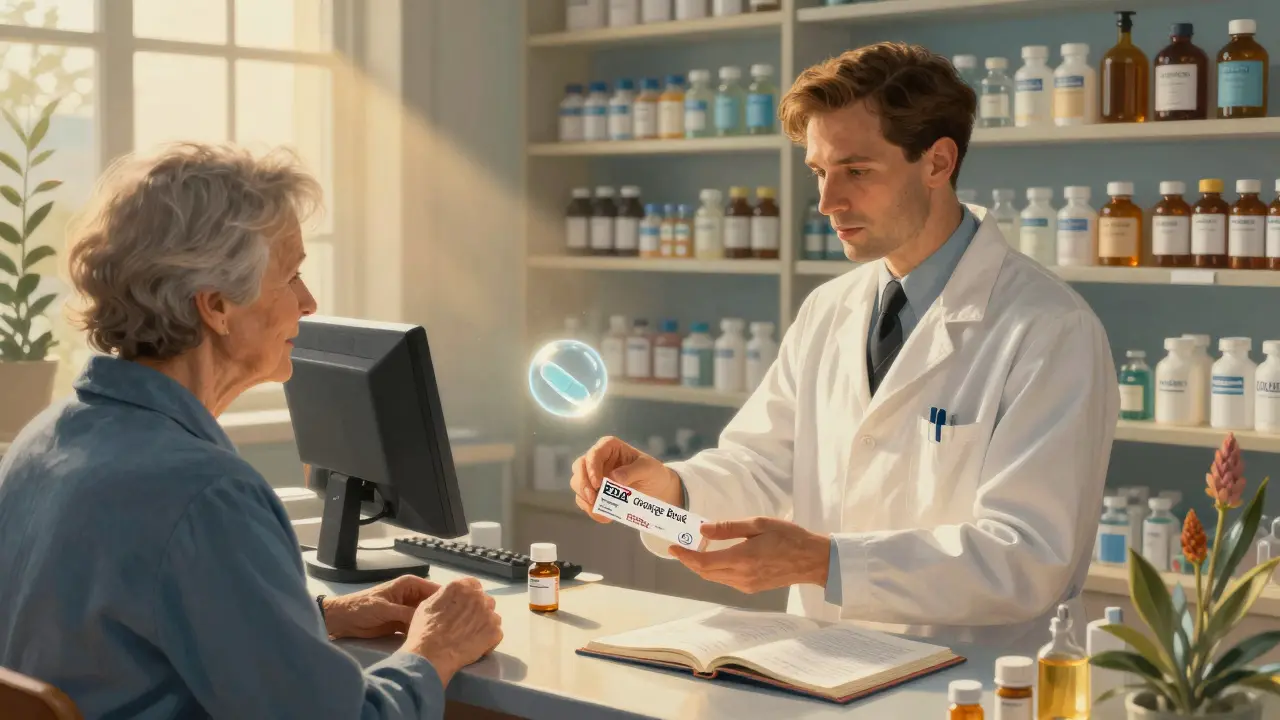
State Laws on Generic Drug Substitution: What Pharmacists and Patients Need to Know
State laws on generic drug substitution vary widely across the U.S., affecting how pharmacists switch brand-name drugs for generics. Learn how consent rules, liability protections, and narrow therapeutic index drugs create a patchwork system-and what patients and pharmacists need to know.
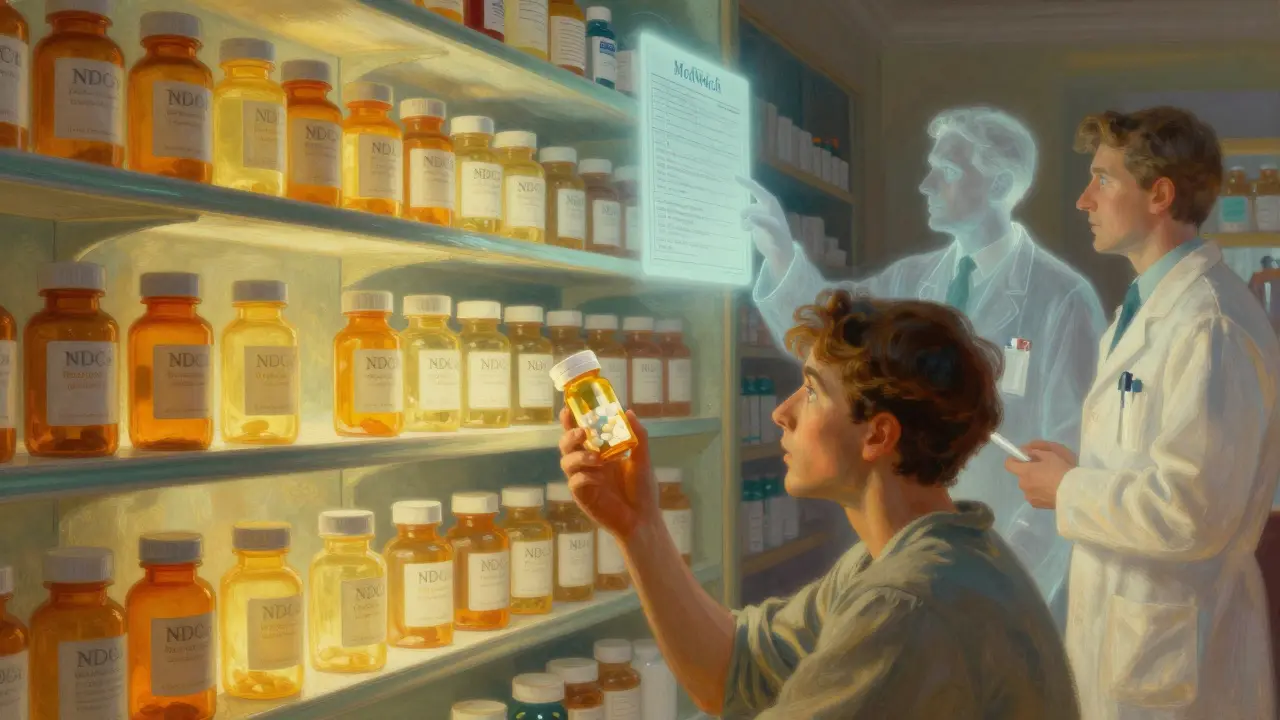
Serious Adverse Events: How to Report Generic Drug Reactions Correctly
Serious adverse events from generic drugs are underreported due to confusing labeling and reporting systems. Learn how to correctly report reactions to the FDA, why the data gap matters, and what’s being done to fix it.
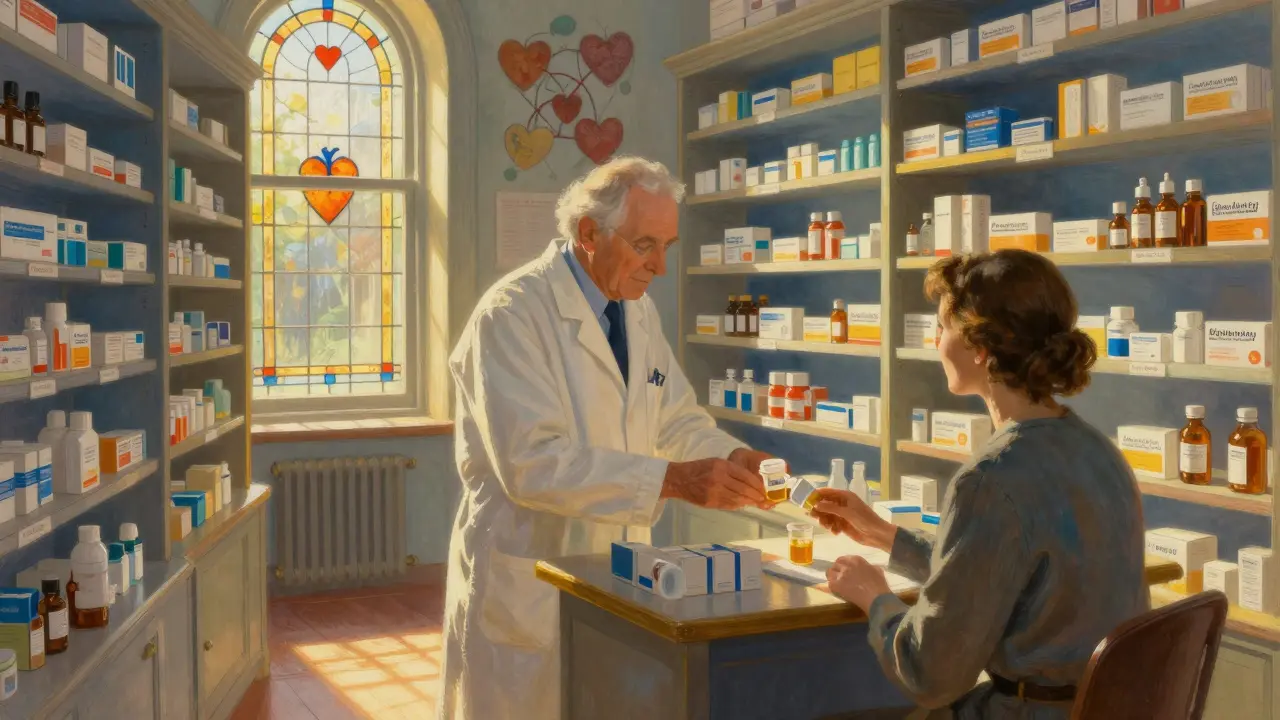
How Doctors Around the World View Generic Medications
Doctors around the world rely on generic medications differently - from policy-driven use in Europe to life-saving necessity in Asia. Discover how global healthcare systems shape provider views on generics.

When Your Doctor Might Prescribe Brand-Name Only and Why
Most prescriptions are filled with generics - cheaper and just as effective. But doctors sometimes require brand-name only for drugs where small differences matter. Learn when it’s medically necessary and when it’s just costing you more.

Future of Global Generic Markets: Key Trends and Predictions for 2025-2030
The global generic drug market is evolving fast, driven by biosimilars, supply chain shifts, and rising demand in emerging economies. Learn the key trends shaping affordable healthcare through 2030.
Future Approaches to Changing Perceptions of Generic Drugs
Generic drugs save billions but still face distrust. Learn how transparency, technology, and better communication are changing perceptions - and why the future of affordable medicine isn't about price, but proof.
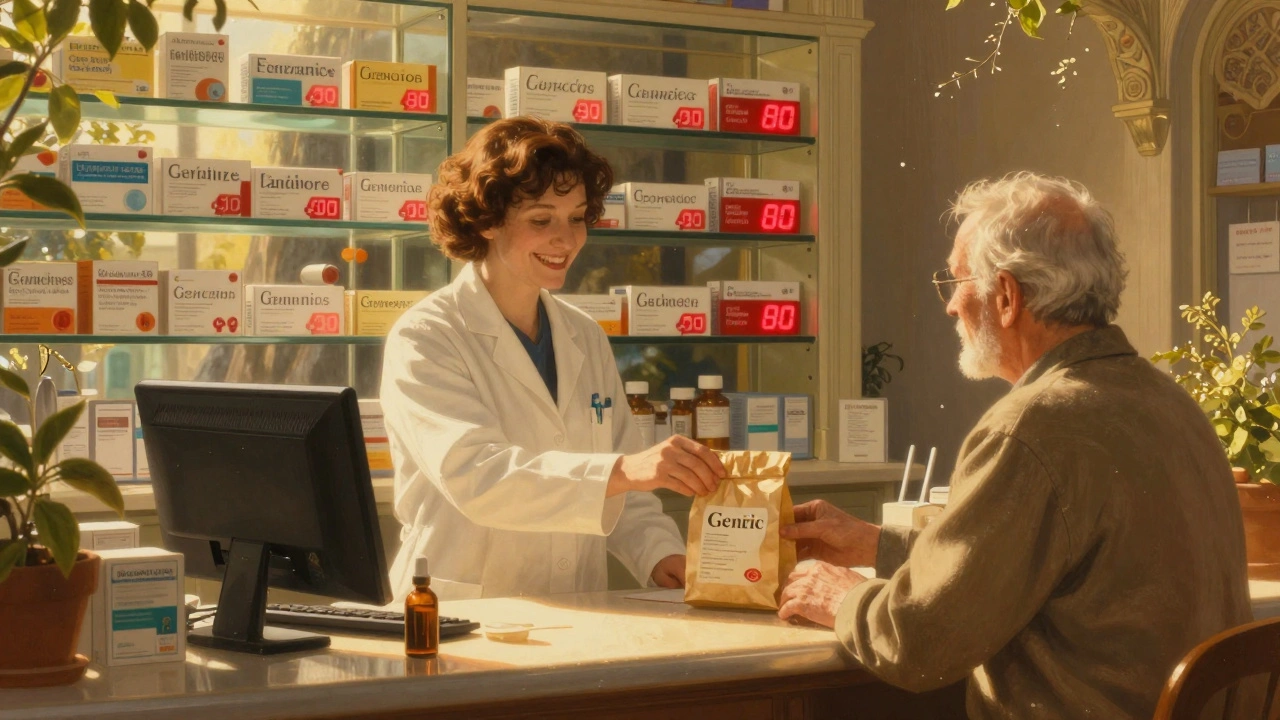
Generic Drug Savings: Real Numbers and Healthcare Statistics
Generic drugs save Americans billions each year - 90% of prescriptions are generic, but they cost only 12% of what brand-name drugs do. See real numbers, savings stats, and how to use generics to cut your prescription costs.
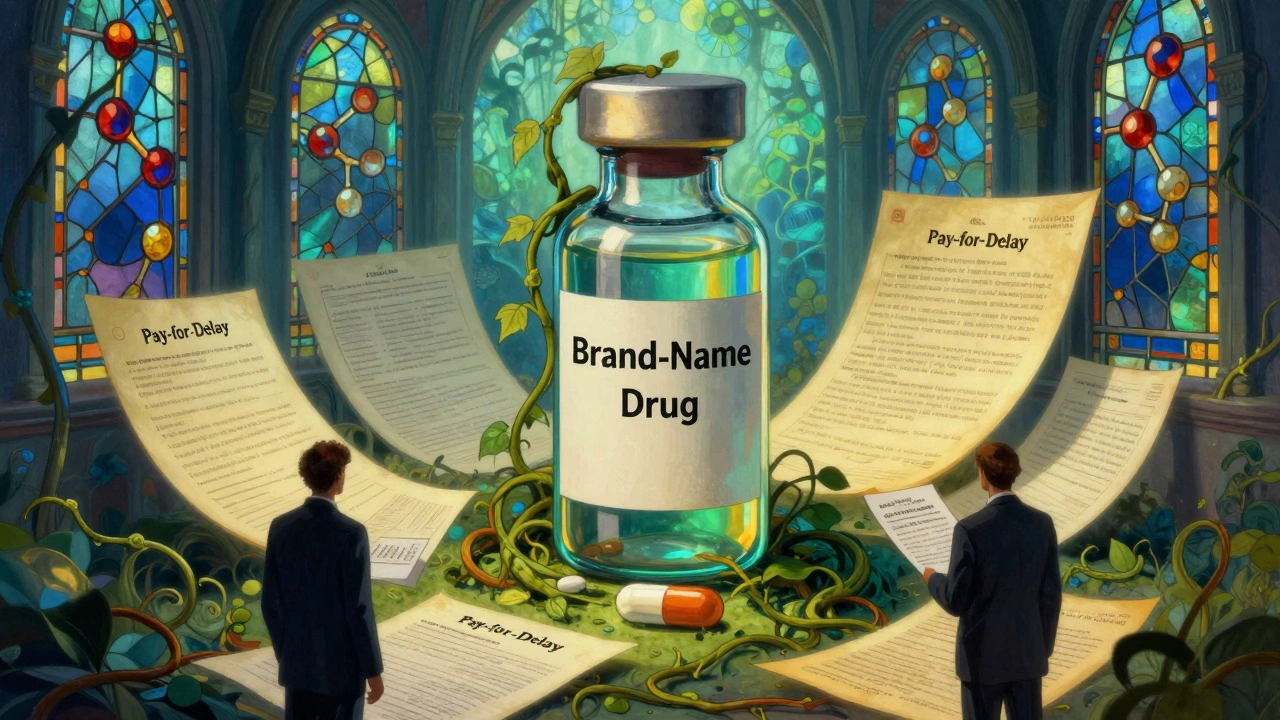
Why Some Brand-Name Drugs Have No Generic Alternatives
Not all brand-name drugs have generic versions, even after patents expire. Complex formulations, legal tactics, and manufacturing hurdles keep prices high. Here’s why some drugs stay expensive-and what you can do about it.
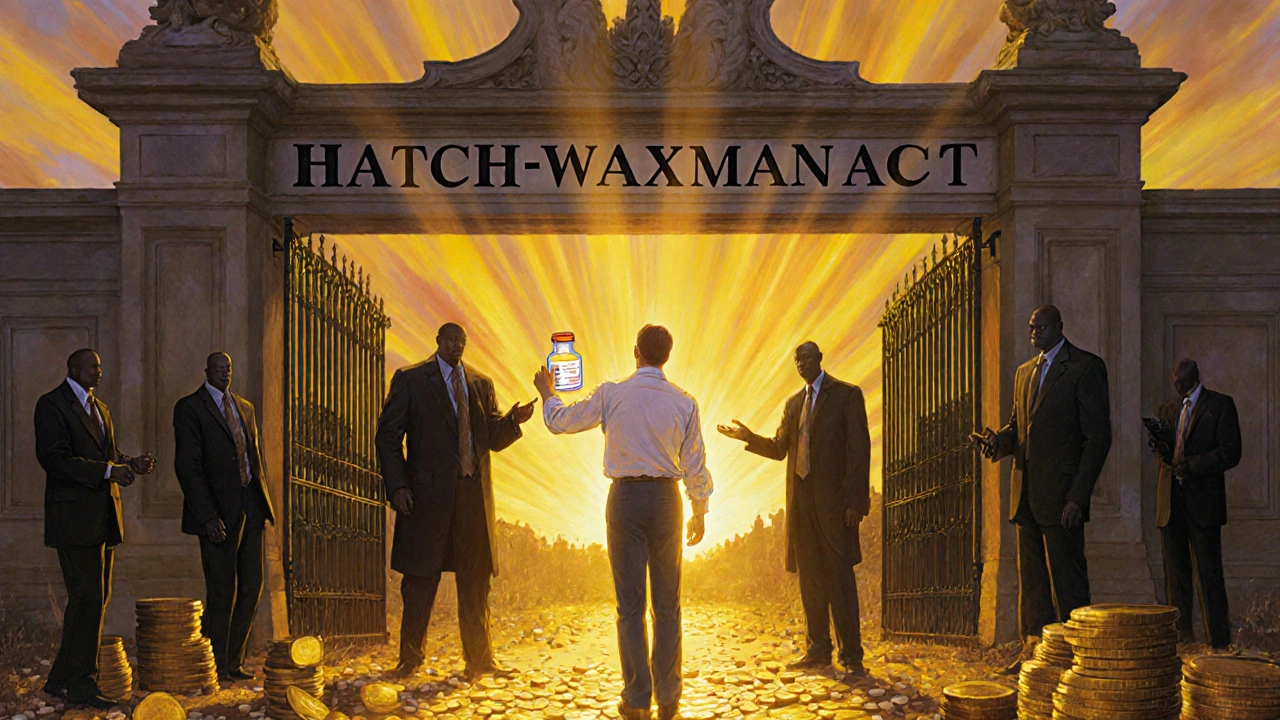
Antitrust Laws and Competition Issues in Generic Pharmaceutical Markets
Antitrust laws in the generic drug market aim to stop big pharma from blocking cheaper alternatives through pay-for-delay deals, patent manipulation, and product hopping. These tactics raise prices and hurt patients - but enforcement is evolving globally.