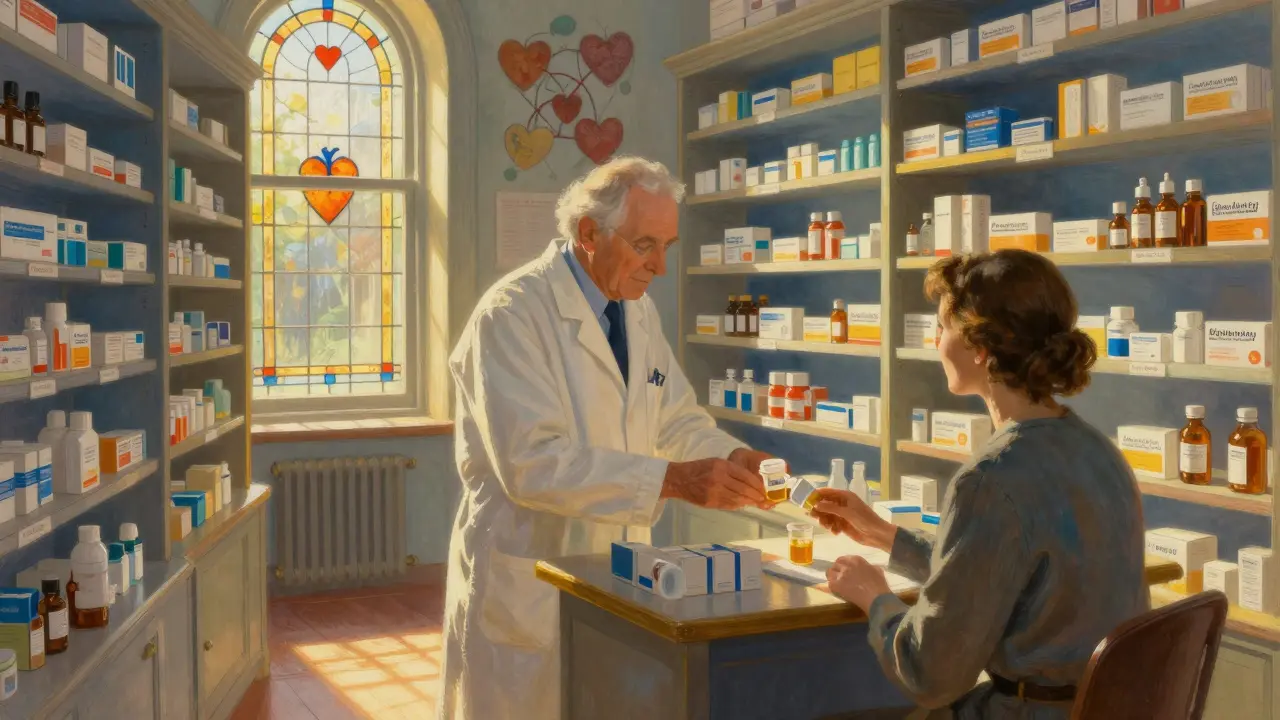
When you walk into a pharmacy and get a generic pill instead of the brand-name version, you might think it’s just about saving money. But behind that simple swap is a global story - one shaped by healthcare systems, economic pressures, and the real-world decisions of doctors and pharmacists. Across countries, providers don’t just accept generics because they’re cheaper. They use them because they have to, because they trust them, or sometimes because they’re forced to by policy. The truth? generic medications are viewed very differently depending on where you live.
Europe: Generics as Policy, Not Just Choice
In Germany, France, and the UK, doctors don’t have to convince patients to take generics. The system already did that for them. Government rules push pharmacists to substitute brand-name drugs with generics unless the doctor specifically says no. In some places, if a doctor writes a brand-name prescription, the patient pays more out of pocket. That’s not a suggestion - it’s policy. European providers see generics as a tool to keep healthcare affordable. With aging populations and rising chronic disease rates, every euro saved on a blood pressure pill or diabetes medication adds up. By 2025, generics made up nearly 80% of all prescriptions across the EU. Germany alone accounts for over 15% of the global generic market. But growth is slowing. The market is mature. Providers aren’t excited about generics because they’re new - they’re excited because they work, and they keep the system from collapsing.Asia-Pacific: Generics as Lifelines
In India and China, generics aren’t a cost-cutting option. They’re the backbone of healthcare. For millions of people, there is no alternative. A branded heart medication might cost three months’ wages. The generic version? A week’s pay. Doctors in these countries don’t debate whether to prescribe generics - they assume it’s the only choice. India doesn’t just supply its own population. It’s the world’s pharmacy. About 20% of all generic drugs made globally come from India. And nearly 40% of the U.S. generic drug supply? Also from India. Indian manufacturers produce pills at a fraction of the cost because of lower labor, regulatory, and production expenses. Providers in Asia see generics as infrastructure - like clean water or electricity. Without them, the system fails. The region is growing fastest. Forecasts show Asia-Pacific’s generic market growing at over 6% per year through 2034. Why? Aging populations, more diabetes and heart disease, and governments actively pushing generics as the default. In China, policies require hospitals to prioritize generics. In Thailand and Indonesia, public clinics only stock them. Providers don’t need to be convinced. They’re already on board.United States: Trust, But Verify
In the U.S., 90% of prescriptions are filled with generics. That sounds like a win. But here’s the catch: generics make up only 15-20% of total drug spending. Why? Because brand-name drugs are still astronomically expensive. A cancer drug might cost $10,000 a month. The generic version? $300. Doctors push generics not because they’re trendy - they’re pushed by patients who can’t afford the brand. But trust is fragile. U.S. providers have seen shortages. A batch of generic antibiotics recalled for contamination. A generic insulin with inconsistent absorption. These aren’t common, but they happen often enough to make doctors pause. Many rely on Indian and Chinese manufacturers - but they worry about supply chains. A port strike in India or a regulatory crackdown in China can leave hospitals without critical meds. Providers know generics work. But they also know quality isn’t guaranteed. They’ll prescribe a generic for high blood pressure without hesitation. But for a complex injectable or a biologic coming off patent, they’ll wait for real-world data. They’re not against generics. They’re just cautious.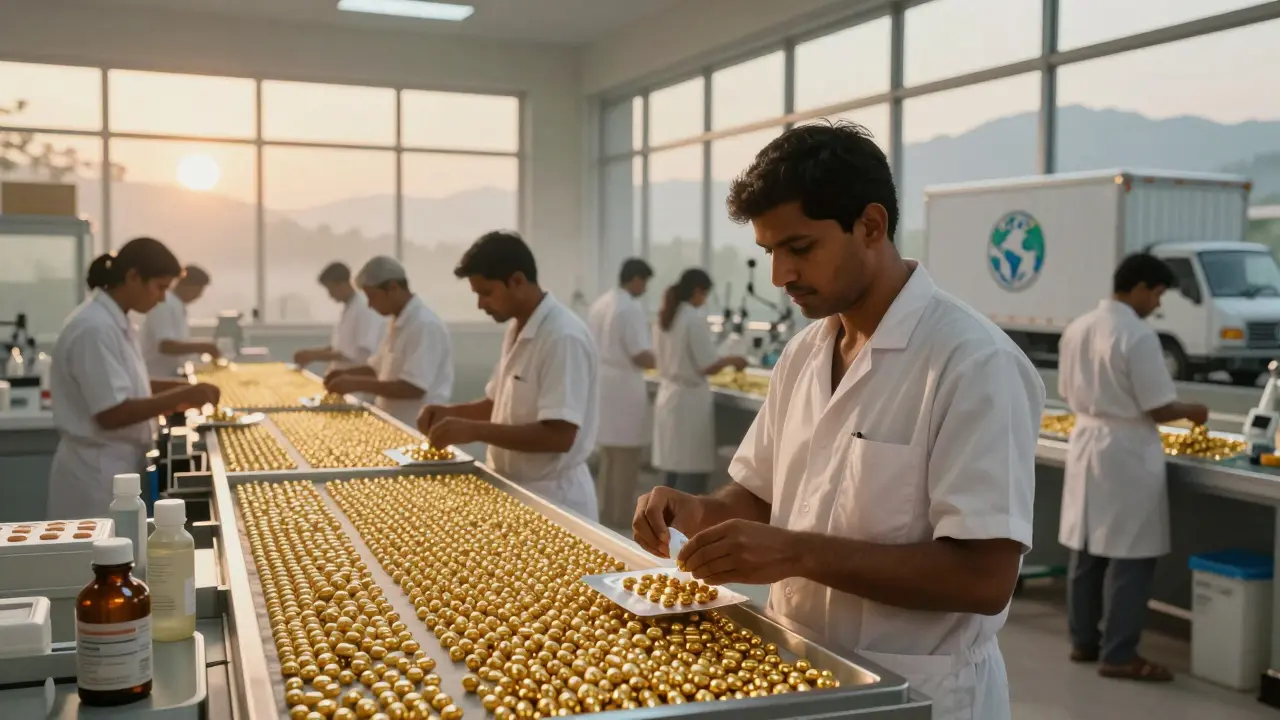
Japan: Price Cuts and Quiet Acceptance
Japan’s approach is unique. The government doesn’t just encourage generics - it forces price cuts every two years. If a drug’s price drops, so does the reimbursement rate for doctors. That means hospitals and clinics have a financial incentive to switch to generics as soon as they’re available. By 2025, Japan’s generic use hit over 80% for most oral drugs. Doctors there don’t celebrate generics. They don’t debate them. They just use them. The system is built around cost control, not patient choice. Innovation is slowing. New drugs are expensive, and the government won’t pay for them unless generics exist. So providers adapt. They prescribe generics first. If it doesn’t work, they try something else. It’s not ideal - but it’s sustainable.Emerging Markets: Generics as the Only Option
In Brazil, Turkey, and parts of Africa, there’s no debate. Brand-name drugs are out of reach. Generics aren’t preferred - they’re mandatory. Providers in these countries don’t have the luxury of choice. If a patient can’t afford a generic, they get nothing. IQVIA estimates that these "pharmerging" markets will add $140 billion in drug spending by 2025 - almost all of it on generics. Why? Because governments are building public health systems from the ground up. And the cheapest, most reliable option? Generics. Providers in these regions are pragmatic. They care about outcomes, not brand names. If a generic saves a life, it’s the right drug.
The New Frontier: Complex Generics
Generics aren’t just pills anymore. The fastest-growing segment? Specialty generics - injectables, inhalers, creams, and complex formulations. These aren’t easy to copy. They require advanced manufacturing, strict quality control, and clinical testing. But they’re also where the biggest savings are. In hospitals, doctors are increasingly prescribing generic versions of insulin pens, chemotherapy infusions, and asthma inhalers. The global specialty generics market is expected to grow from $76 billion in 2025 to nearly $186 billion by 2033. Why? Because these drugs used to cost $10,000 a year. Now, the generic version costs $1,500. Providers who once avoided them due to complexity are now demanding them.What’s Next? The Patent Wave
Between 2025 and 2030, over $200 billion in annual sales from brand-name drugs will lose patent protection. That includes big-ticket biologics for cancer, rheumatoid arthritis, and psoriasis. These aren’t simple pills - they’re complex molecules made from living cells. But generics - called biosimilars - are coming. By 2029, the market for biosimilars alone could be worth $25 billion. Providers around the world are preparing. In the U.S., insurers are pushing them hard. In Europe, they’re already in use. In India, manufacturers are racing to develop them. For the first time, generics aren’t just about saving money on old drugs. They’re about making cutting-edge treatments affordable.Final Thought: Generics Are No Longer an Option - They’re the Norm
Whether it’s a doctor in Delhi prescribing a $0.10 generic for diabetes, a pharmacist in Berlin automatically swapping a brand-name statin, or a nurse in Chicago waiting for a generic insulin shipment - the message is the same. Generics aren’t a backup plan anymore. They’re the foundation of modern healthcare. The differences between countries aren’t about whether generics work. They’re about how much society is willing to invest in making them accessible. In wealthy nations, it’s about control. In poorer ones, it’s about survival. But everywhere, providers are using them - not because they’re told to, but because they have to.Are generic medications as effective as brand-name drugs?
Yes. By law, generic drugs must contain the same active ingredient, strength, dosage form, and route of administration as the brand-name version. They must also meet the same strict quality standards set by regulatory agencies like the FDA or EMA. Bioequivalence studies prove they work the same way in the body. Most doctors and pharmacists agree: if a generic passes regulatory tests, it’s just as effective.
Why are generic drugs so much cheaper?
Generic manufacturers don’t have to pay for expensive clinical trials or marketing campaigns. The original drug company already proved the drug works. Generics skip those costs and focus on production. Countries like India and China have lower labor and manufacturing costs, which drives prices down even further. That’s why a 30-day supply of a generic blood pressure pill might cost $4 in the U.S. - and less than $1 in India.
Do doctors get paid more for prescribing generics?
In most countries, no. Doctors don’t earn extra for prescribing generics. In fact, in places like Japan and Germany, they may earn less if they prescribe a brand-name drug because reimbursement rates are lower. The incentive isn’t financial - it’s systemic. Patients demand cheaper options. Insurance companies require them. Hospitals push them. Doctors follow the system, not the paycheck.
Why do some doctors hesitate to prescribe generics?
Sometimes, it’s not about the drug - it’s about the supply. A provider might avoid a generic if they’ve had a bad experience with a batch that caused side effects or didn’t work as expected. Drug shortages also play a role. If a hospital runs out of a certain generic, doctors may switch back to the brand just to keep treatment going. In complex cases - like epilepsy or thyroid disorders - some doctors prefer to stick with a brand they know works consistently for their patients.
Is it safe to take generics made in India or China?
Yes - if they’re approved by your country’s health authority. The FDA inspects Indian and Chinese manufacturing plants just like U.S. ones. In fact, over 40% of U.S. generic drugs come from India, and most meet or exceed U.S. quality standards. That doesn’t mean every factory is perfect - there have been violations. But the system is designed to catch them. If a generic is sold legally in your country, it’s been vetted.
Will generics replace all brand-name drugs eventually?
Not all - but most. Simple pills and common injections will almost certainly become generics. But for complex biologics, advanced delivery systems, or highly personalized therapies, the path to generics is slower. Even then, biosimilars are already replacing some of the most expensive drugs. The trend is clear: as patents expire, generics will keep expanding. The question isn’t if - it’s how fast.

Prasanthi Kontemukkala
December 27, 2025 AT 01:10Back home in India, generics aren't just cheap-they're the only thing keeping people alive. I've seen grandparents take a ₹5 diabetes pill every day because that's all they can afford. No one here debates if it works. If it's on the shelf, it's the right choice. The system doesn't ask for permission-it just saves lives.
Michael Bond
December 27, 2025 AT 09:2690% of scripts filled with generics in the US. That’s the stat everyone forgets to mention.
Bryan Woods
December 28, 2025 AT 01:23It's fascinating how policy shapes behavior. In the U.S., we think we have choice, but really we're just reacting to cost. Doctors aren't pushing generics because they're enthusiastic-they're doing it because the math forces them to.
Ryan Cheng
December 28, 2025 AT 11:22People act like generics are some kind of compromise, but honestly? Most of them are identical to brand names. I've had my blood pressure med switched three times-same pill, different label. The only difference? My wallet doesn't cry anymore.
david jackson
December 30, 2025 AT 02:57Let’s be real-this isn’t just about drugs. It’s about power. The pharmaceutical industry spent decades convincing us that brand = quality, even when the science said otherwise. Now, with biosimilars coming online, we’re seeing the same playbook play out again. They’re terrified. And honestly? Good. If they want to keep charging $10,000 for a shot that costs $300 to make, they should at least be uncomfortable.
India doesn’t just make generics-they make them *right*. The manufacturing standards in some Indian plants are stricter than some U.S. facilities. The FDA knows this. They inspect those factories more than they inspect their own. But the media? They still paint them as shady. That’s not skepticism-it’s bias.
And don’t even get me started on insulin. A vial that cost $1,500 in 2019? Now, a generic version sells for $25 in some states. But you still hear people say, ‘I don’t trust it.’ Trust what? The corporate logo? The ad campaign? The fact that your insurance won’t cover the brand anymore? That’s not medical caution-that’s learned helplessness.
Generics aren’t the problem. The system is. We treat medicine like a luxury product instead of a human right. And until we fix that, no amount of ‘trust’ will change the fact that someone’s kid is skipping doses because they can’t afford the pill with the fancy name on it.
It’s not about whether generics work. It’s about why we still act like they’re second-class.
Sarah Holmes
January 1, 2026 AT 01:28Let me be perfectly clear: if you are taking a generic medication manufactured in a country with less than 70% regulatory compliance, you are essentially participating in a medical lottery. The FDA inspections are performative. The data is cherry-picked. And the patients? They are the lab rats. This is not healthcare. This is corporate negligence dressed in public health rhetoric.
jesse chen
January 2, 2026 AT 20:28Okay, I just want to say-thank you for writing this. I’ve been a nurse for 12 years, and I’ve seen firsthand how generics save lives. But I’ve also seen how much fear there is around them-especially among older patients. One lady cried because she thought switching from her brand-name statin meant she was ‘giving up.’ It broke my heart. This piece helps me explain it better.
And yes, I’ve had a few batches that didn’t seem right-taste, texture, even how they dissolved. But every time I checked, it was a manufacturing hiccup, not a quality failure. And the system caught it. That’s the point-it’s not perfect, but it’s monitored.
josue robert figueroa salazar
January 3, 2026 AT 06:34Generics are fine until they aren't. Then you're dead.
Joanne Smith
January 4, 2026 AT 16:55Oh wow, so the U.S. is the only country where people actually *worry* about generics? I thought we were the land of innovation, not paranoia. Meanwhile, in Germany, they’re like, ‘Here’s your $0.50 pill. Don’t be dramatic.’ And in India? They’re like, ‘Here’s your $0.05 pill. Now go save your family.’ We’re not just expensive-we’re emotionally attached to our pill brands.
Matthew Ingersoll
January 5, 2026 AT 05:32India produces nearly 40% of U.S. generic drugs. That’s not a coincidence. It’s a result of decades of strategic investment in manufacturing, regulatory alignment, and cost efficiency. The real story isn’t about quality-it’s about scale and policy. The U.S. doesn’t lack good generics. It lacks a coherent pricing strategy.
Lori Anne Franklin
January 6, 2026 AT 02:03my aunt took a generic for her thyroid and said it made her feel weird so she switched back… but turns out the brand was expired and the pharmacy didn’t tell her. so now she thinks generics are sketchy. i’m just sayin’… sometimes it’s not the pill, it’s the mess around it.
Alex Ragen
January 7, 2026 AT 12:31It’s not that generics are inferior-it’s that we’ve elevated pharmaceutical branding to the level of religious iconography. We worship the logo, not the molecule. The fact that we still refer to drugs by their corporate names-‘Lipitor,’ ‘Zoloft’-rather than their chemical identities reveals a deeper cultural sickness. We’ve outsourced our medical judgment to marketing departments.
Jeanette Jeffrey
January 7, 2026 AT 20:06So let me get this straight-you're telling me that in the U.S., doctors prescribe generics because patients can't afford the brand, but in India, they prescribe them because they're the only option? Wow. So we're not just behind-we're emotionally bankrupt. At least the Indians don't pretend they have a choice.
wendy parrales fong
January 9, 2026 AT 08:31I used to think generics were a compromise. Then my dad got cancer. The brand-name chemo was $12,000 a month. The generic? $1,200. We took the generic. He’s been in remission for three years. The only difference? We didn’t go bankrupt. If you’re still doubting generics, ask yourself: what’s more important-the name on the pill, or the person taking it?