Pay-for-Delay: How Drug Companies Block Generic Competition
When a brand-name drug’s patent is about to expire, a pay-for-delay, a secret agreement where a brand-name drug company pays a generic maker to delay launching a cheaper version. Also known as reverse payment settlement, it’s a legal loophole that keeps drug prices high—even after patents should have expired. This isn’t about innovation. It’s about control. Instead of letting competition lower prices, big pharma pays competitors to sit on the sidelines. The result? Patients pay more, insurers get hit harder, and the system rewards delay over access.
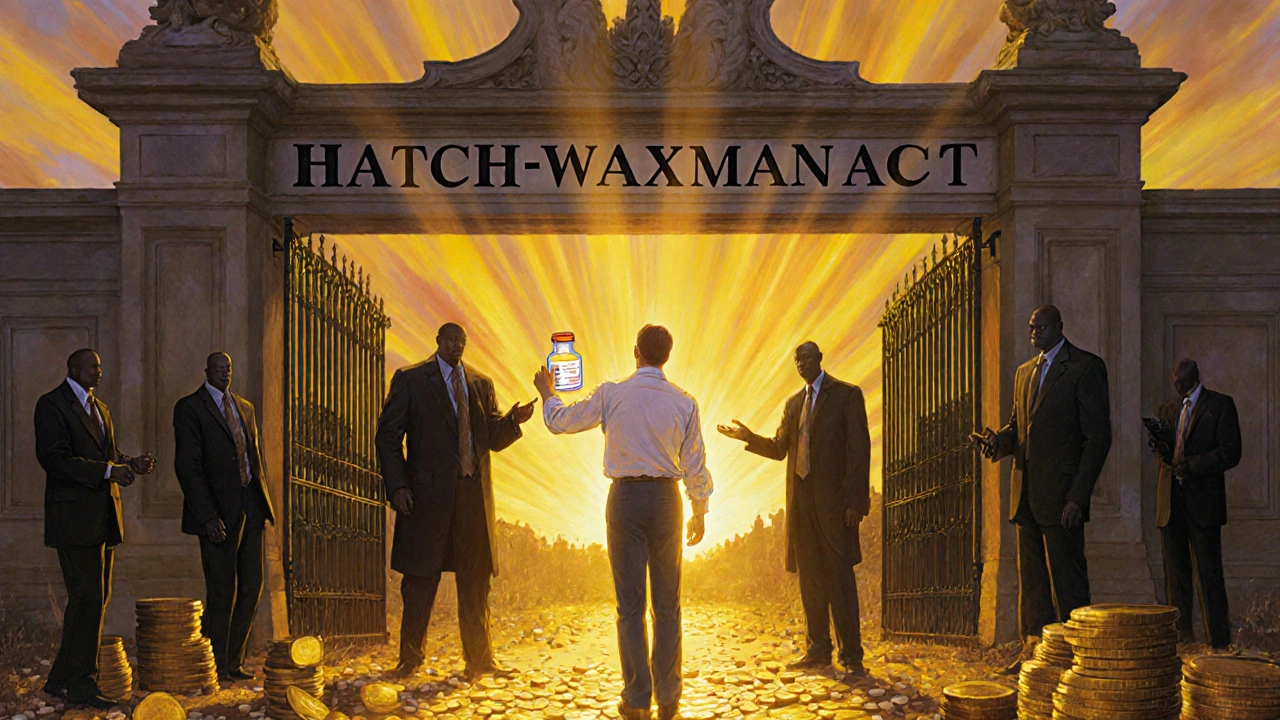
These deals rely on the Hatch-Waxman Act, a 1984 law meant to balance patent protection with generic access. It gave generic companies a 180-day exclusivity window to be first to market after a patent challenge. But instead of encouraging competition, some brand-name companies turned it into a bargaining chip. They offer cash, exclusive distribution rights, or other benefits to generic makers in exchange for agreeing to delay launch. The generic drug entry, the moment a cheaper version hits the market after patent expiration gets pushed back—sometimes for years. In one case, a drug stayed at $1,000 a month for 12 extra years because of a pay-for-delay deal. That’s $12,000 per patient, per year, that didn’t need to be spent.
It’s not just about money. It’s about trust. When you’re prescribed a drug, you expect that once the patent runs out, cheaper options will appear. Pay-for-delay breaks that promise. The brand-name drugs, medications sold under a proprietary name before generic versions become available companies argue they’re protecting R&D investments. But the FTC has found that many of these deals happen even when the patent is weak or likely to be overturned in court. That’s not defense—it’s market manipulation.
What you’ll find in the posts below isn’t just theory. It’s real data. You’ll see how patent expiration timelines work, how companies game the FDA approval system, and what legal actions are being taken to shut down these deals. No fluff. No jargon. Just clear, practical insight into how your medicine gets priced—and who really benefits when it doesn’t change.
Antitrust Laws and Competition Issues in Generic Pharmaceutical Markets
Antitrust laws in the generic drug market aim to stop big pharma from blocking cheaper alternatives through pay-for-delay deals, patent manipulation, and product hopping. These tactics raise prices and hurt patients - but enforcement is evolving globally.