
It’s easy to assume that if you break out in hives after eating shrimp or taking amoxicillin, you’re having an allergic reaction. But not all reactions are created equal. Food allergies and medication allergies may look similar on the surface - itching, swelling, rashes, even trouble breathing - but they’re driven by different mechanisms, show up at different times, and require completely different management strategies. Getting this wrong can cost you more than just discomfort. It could mean avoiding life-saving antibiotics, missing out on nutritious foods, or worse - missing a real threat because you mislabeled a harmless reaction.
Timing Is Everything
The biggest clue to whether you’re dealing with a food or medication allergy? When the symptoms show up. Food allergies almost always strike fast. If you eat peanuts and your lips tingle within five minutes, or you start vomiting 20 minutes after swallowing milk, that’s a classic IgE-mediated food reaction. In fact, 95% of true food allergy symptoms happen within two hours - and half of them show up in under 30 minutes.
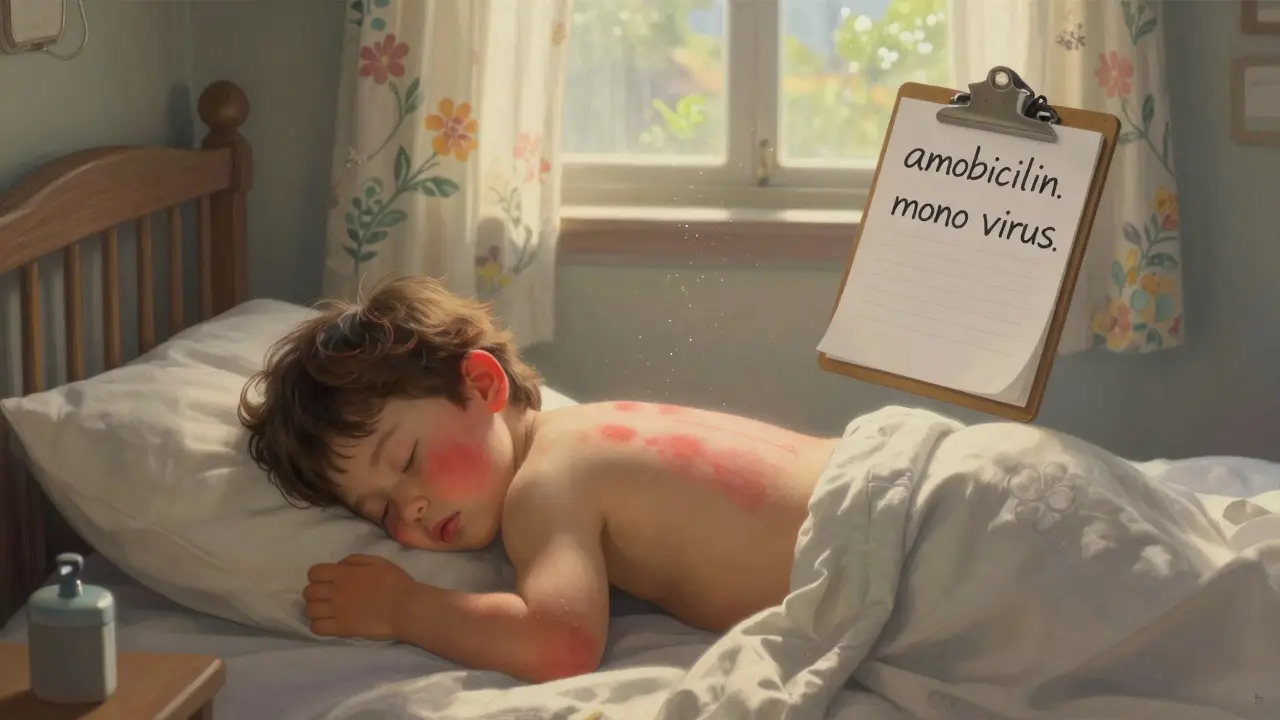
Medication allergies? Not so predictable. Some reactions happen fast - like hives after an IV antibiotic - but others don’t appear until days or even weeks later. A rash from amoxicillin might show up three days after you started the pills. That’s not a food allergy pattern. That’s a T-cell-mediated drug reaction, often linked to viral infections like mono or the flu. In fact, up to 10% of kids on amoxicillin for a viral illness get a rash - but fewer than 1% of them are truly allergic to the drug. Yet, most parents are told, "You’re allergic to penicillin," and that label sticks for life.
Where the Symptoms Show Up
Food allergies tend to hit the mouth, gut, and skin first. Itching or swelling in the lips, tongue, or throat - called oral allergy syndrome - happens in about 70% of IgE-mediated food reactions. You might also get nausea, vomiting, or diarrhea. Hives and swelling (angioedema) are common too, but they usually come with digestive symptoms. If you’ve ever had to rush to the bathroom after eating shellfish, that’s not just bad luck - it’s your immune system reacting.
Medication allergies, on the other hand, often show up as skin rashes without the gut symptoms. A flat, red, blotchy rash (maculopapular) is the most common sign of a delayed drug reaction. Fever, swollen lymph nodes, and joint pain can also appear - especially with drugs like sulfa antibiotics or anticonvulsants. These are signs of systemic reactions like DRESS syndrome, which can be serious. Respiratory symptoms like wheezing happen in both, but they’re more common in food allergies because airway swelling can occur quickly. In drug reactions, breathing problems are rarer unless it’s an immediate IgE response like anaphylaxis to penicillin.
How the Immune System Reacts
Most food allergies are IgE-mediated. That means your body makes antibodies that recognize specific proteins - like those in peanuts, eggs, or milk - and triggers mast cells to release histamine. That’s what causes the itching, swelling, and potentially life-threatening drop in blood pressure. About 90% of acute food reactions work this way.
Medications are trickier. While 80% of immediate drug reactions (like anaphylaxis to penicillin) are IgE-mediated, the other 20% involve T-cells. These are delayed reactions that don’t show up right away. They’re why you can take a drug safely for weeks and then suddenly break out in a full-body rash. These reactions aren’t tested with skin prick tests like food allergies. They need specialized blood tests or controlled drug challenges - which is why so many people are wrongly labeled allergic.
Testing Is Not the Same
If you think you’re allergic to peanuts, an allergist can do a skin prick test. If it’s positive, they might follow up with a supervised oral food challenge - the gold standard. These tests are safe, accurate, and can confirm or rule out an allergy with 95% certainty.
For medications, it’s not that simple. Penicillin allergy testing is one of the few drug tests that’s reliable: a skin test followed by an oral challenge can confirm or rule out allergy with 99% accuracy. But for most other drugs - like NSAIDs, sulfa, or chemotherapy agents - there’s no blood or skin test. The only way to know for sure is to re-expose you to the drug under strict medical supervision. That’s risky, so many doctors just avoid the drug entirely.
And here’s the kicker: up to 90% of people who say they’re allergic to penicillin turn out not to be when tested. That means millions of people are avoiding a safe, cheap, effective antibiotic - and instead getting broader-spectrum drugs that cost 30% more and raise the risk of dangerous infections like C. diff by 25%.
Why Misdiagnosis Happens
People confuse allergies with intolerances all the time. If you get bloated after dairy, you might call it a "milk allergy." But that’s lactose intolerance - your body can’t digest the sugar, not your immune system attacking it. Same with headaches after wine or red dye - those are reactions, not allergies.
Doctors often don’t have time to dig deep. A 2023 study found the average time spent documenting a medication allergy in a medical record is just 90 seconds. That’s not enough to untangle whether a rash came from the drug, the virus you had, or even the soap you used that day.
Patients do it too. A Reddit thread with 247 comments showed that 68% of people with suspected allergies were misdiagnosed early on. One woman avoided all NSAIDs for 10 years because she thought she was allergic to aspirin - turns out, it was the lactose filler in the pill that upset her stomach.

What You Can Do
If you think you have a food or medication allergy, don’t assume. Write down everything:
- What you ate or took
- When you took it
- What symptoms you got
- How long it took for them to start
- Whether you’ve had the same reaction before
For food allergies, keep a food diary for at least two weeks. Note preparation methods - sometimes it’s not the peanut itself, but cross-contamination in a factory or restaurant. For medications, track the exact name, dose, and whether you’ve taken other drugs around the same time.
Ask for testing. If you’ve been told you’re allergic to penicillin, get tested. If you’ve had a reaction to eggs or milk as a child, get retested as an adult - 80% of kids outgrow these allergies by age 5.
Don’t let a label from 10 years ago limit your care. A simple blood test or supervised challenge could open up better, safer, cheaper treatment options.
The Bigger Picture
Mislabeling a food allergy can be deadly. In the U.S., 150-200 people die each year from food-induced anaphylaxis - often because symptoms were dismissed as indigestion or the epinephrine wasn’t given fast enough.
Mislabeling a medication allergy is just as dangerous - just in a different way. It leads to overuse of broad-spectrum antibiotics, drives up healthcare costs, and fuels antibiotic resistance. Hospitals that implement formal allergy delabeling programs cut unnecessary antibiotic use by 25%.
Knowing the difference isn’t just about avoiding a rash. It’s about staying healthy, saving money, and ensuring you get the right treatment when you need it most.

Rory Corrigan
January 4, 2026 AT 18:28Stephen Craig
January 6, 2026 AT 18:19Connor Hale
January 8, 2026 AT 06:24Roshan Aryal
January 8, 2026 AT 14:45Jack Wernet
January 9, 2026 AT 17:08Charlotte N
January 11, 2026 AT 00:30Siobhan Goggin
January 12, 2026 AT 05:38Vikram Sujay
January 13, 2026 AT 22:06Jay Tejada
January 14, 2026 AT 16:13Shanna Sung
January 16, 2026 AT 05:25Allen Ye
January 16, 2026 AT 18:53Clint Moser
January 17, 2026 AT 20:10Ashley Viñas
January 18, 2026 AT 14:21Mandy Kowitz
January 19, 2026 AT 19:32