Inactivated Vaccines: How They Work and Why They Matter for Your Immunity
When you get a vaccine, you’re not getting the real disease—you’re getting a safe version that teaches your body how to fight it. inactivated vaccines, vaccines made from viruses or bacteria that have been killed so they can’t cause illness. Also known as killed vaccines, they’re one of the oldest and safest types of immunization used today. Unlike live vaccines, which use weakened forms of the germ, inactivated vaccines use pathogens that have been treated with heat, chemicals, or radiation to destroy their ability to replicate. That means they can’t make you sick, even if your immune system is weak. This makes them ideal for people with conditions like cancer, HIV, or those on immunosuppressants after an organ transplant.
These vaccines trigger your immune system to recognize the dead pathogen’s surface proteins, so when the real virus or bacteria shows up later, your body already knows how to respond. They’re used for diseases like influenza, polio (the shot version), hepatitis A, and rabies. But because the pathogen is dead, your immune response isn’t as strong or long-lasting as with live vaccines. That’s why you often need booster shots—sometimes multiple doses over time—to keep your protection strong. It’s not a flaw; it’s a trade-off for safety. The CDC and WHO recommend inactivated vaccines for millions of people every year, especially in children and older adults, because the risk of side effects is extremely low.
They’re also easier to store and transport than live vaccines, which often need cold chains. That’s why inactivated vaccines are widely used in global health programs, especially in areas with limited refrigeration. They don’t require ultra-cold freezers, making them more practical for rural clinics and disaster zones. And because they’re not alive, there’s zero chance they’ll mutate back into a dangerous form—a rare but real risk with some live vaccines. This reliability is why doctors trust them for pregnant women, people with chronic illnesses, and those who can’t take live vaccines for medical reasons.
Behind every inactivated vaccine is a lot of science: how the pathogen is grown, how it’s killed without destroying its key antigens, how the final formula is balanced with adjuvants to boost the immune response. You won’t see all that on the vaccine card, but it’s what makes the shot work. And while newer technologies like mRNA vaccines are getting attention, inactivated vaccines still protect billions. They’re the quiet workhorses of immunization—reliable, well-tested, and constantly improving.
Below, you’ll find real-world insights on how these vaccines fit into broader health strategies—from how they compare to other types, to why some people need extra doses, and how they’re monitored for safety after they’re given out. No fluff. Just what you need to know.
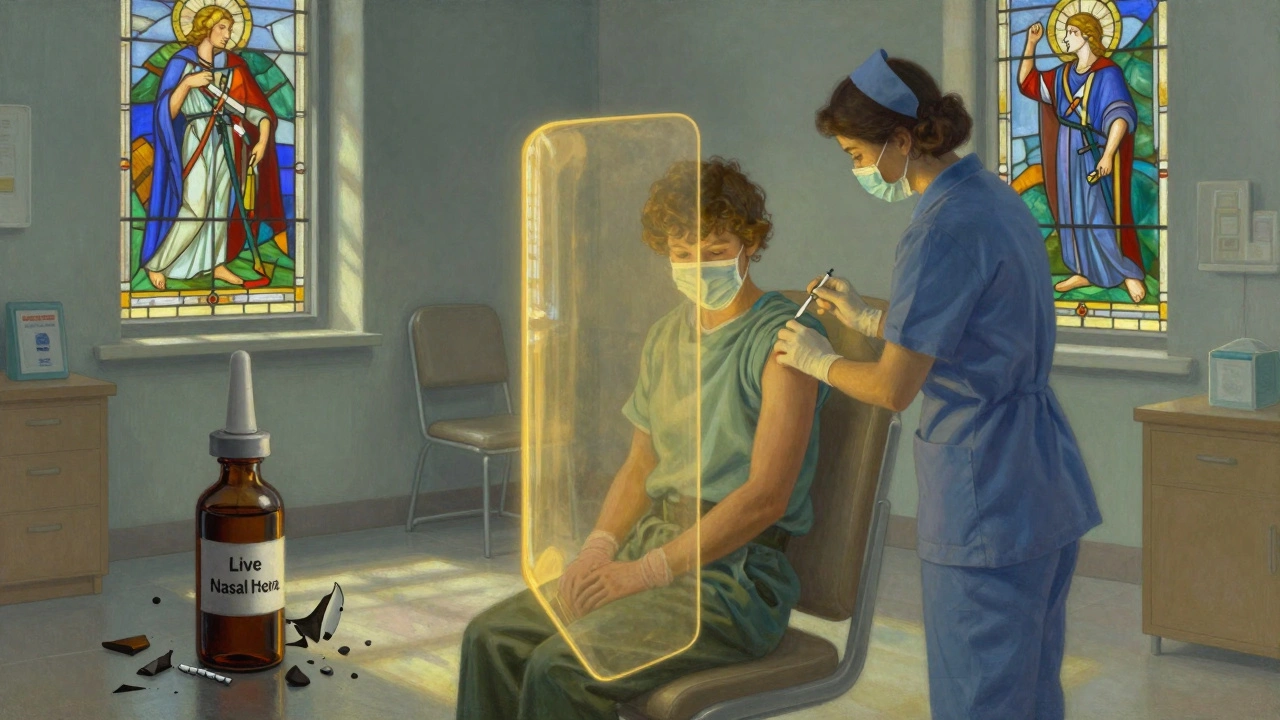
Vaccinations While on Immunosuppressants: Live vs Inactivated Guidance
Learn how to safely get vaccinated while on immunosuppressants. Understand the critical differences between live and inactivated vaccines, the right timing for shots, and which vaccines to avoid or prioritize for maximum protection.