Generic Alternatives: Cheaper Drugs That Work Just as Well
When you hear generic alternatives, pharmaceutical products that contain the same active ingredients as brand-name drugs but are sold under their chemical names. Also known as generic drugs, they are approved by the FDA to work exactly like the original—same dose, same strength, same route of administration, and same safety profile. Most people assume generics are weaker or lower quality, but that’s not true. The FDA requires them to meet the same strict standards as brand-name drugs. The only differences? The color, shape, or inactive ingredients—and the price, which is often 80% lower.
Why does this matter? Because brand name drugs, medications marketed under a proprietary name by the original manufacturer can cost hundreds or even thousands of dollars a month. For example, a 30-day supply of Lipitor might run $200, while its generic, atorvastatin, costs under $10. Same heart medication. Same results. Same side effects. The same goes for antidepressants like sertraline instead of Zoloft, or metformin instead of Glucophage. These aren’t knockoffs—they’re the exact same medicine, just without the marketing budget.
But not all generics are created equal in perception. Some patients worry about switching, especially for drugs like FDA approved generics, generic medications that have undergone rigorous testing to prove bioequivalence to the brand-name version. The truth? Bioequivalence means your body absorbs the drug at the same rate and to the same extent. A 2018 study in JAMA found no difference in clinical outcomes between generics and brand-name drugs across 10 common conditions, including high blood pressure, diabetes, and depression. Still, some doctors hesitate to switch patients, or pharmacies substitute without asking. That’s where knowing your rights matters. You can always ask for the generic. You can always ask why you’re being charged more.
Behind the scenes, companies use legal tricks to delay generics—paying rivals to hold off, changing the drug’s form just enough to reset patents, or buying up small manufacturers to limit competition. These are the same tactics covered in posts about antitrust laws and patent expiration. That’s why some generics take years to appear, even after a patent expires. But when they do, they save patients billions. In 2023 alone, generics saved the U.S. healthcare system over $370 billion.
So what can you do? Start by asking your pharmacist: "Is there a generic version of this?" Check your insurance formulary. Look up the active ingredient—many drugs have multiple brand names but one generic name. And if you’re on a long-term medication, ask your doctor if switching makes sense. It’s not just about saving money—it’s about making sure you can afford to stay healthy.
Below, you’ll find real stories and data on how people are using generic alternatives safely, how regulators track their quality, and when you should still stick with the brand. Whether you’re managing cholesterol, diabetes, or chronic pain, there’s likely a cheaper option that works just as well. Let’s get you the same results without the same price tag.
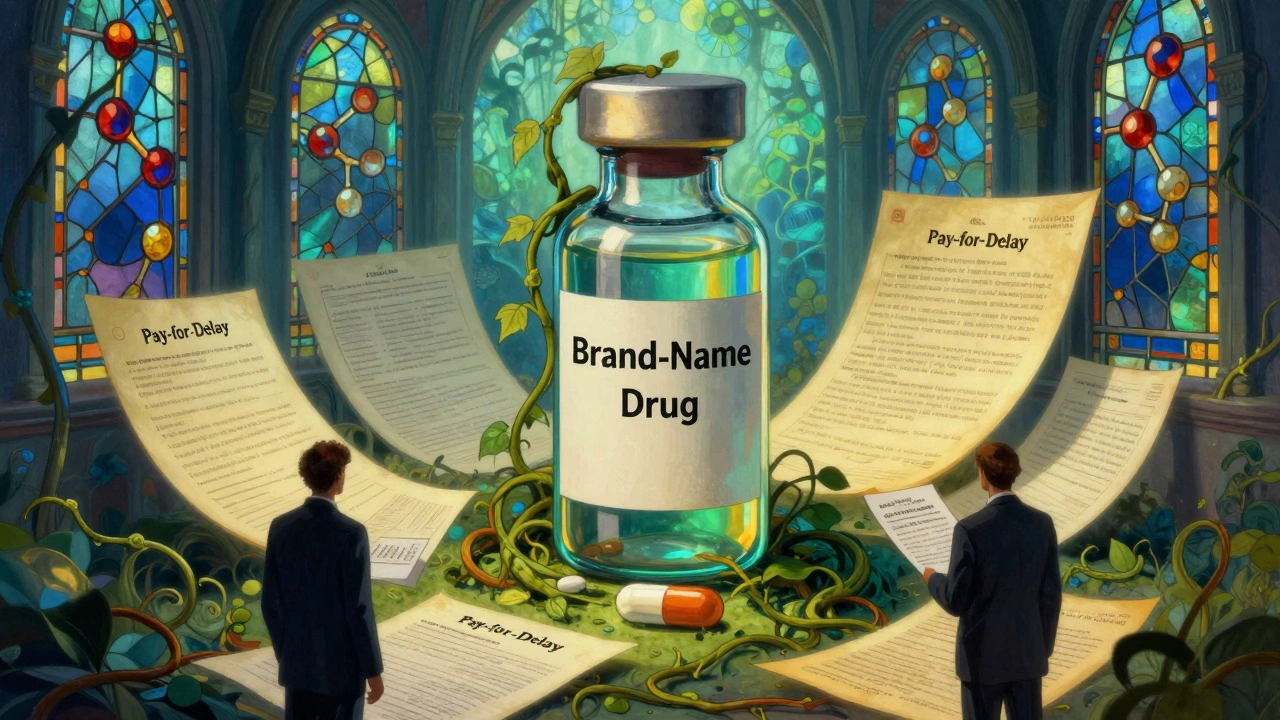
Why Some Brand-Name Drugs Have No Generic Alternatives
Not all brand-name drugs have generic versions, even after patents expire. Complex formulations, legal tactics, and manufacturing hurdles keep prices high. Here’s why some drugs stay expensive-and what you can do about it.