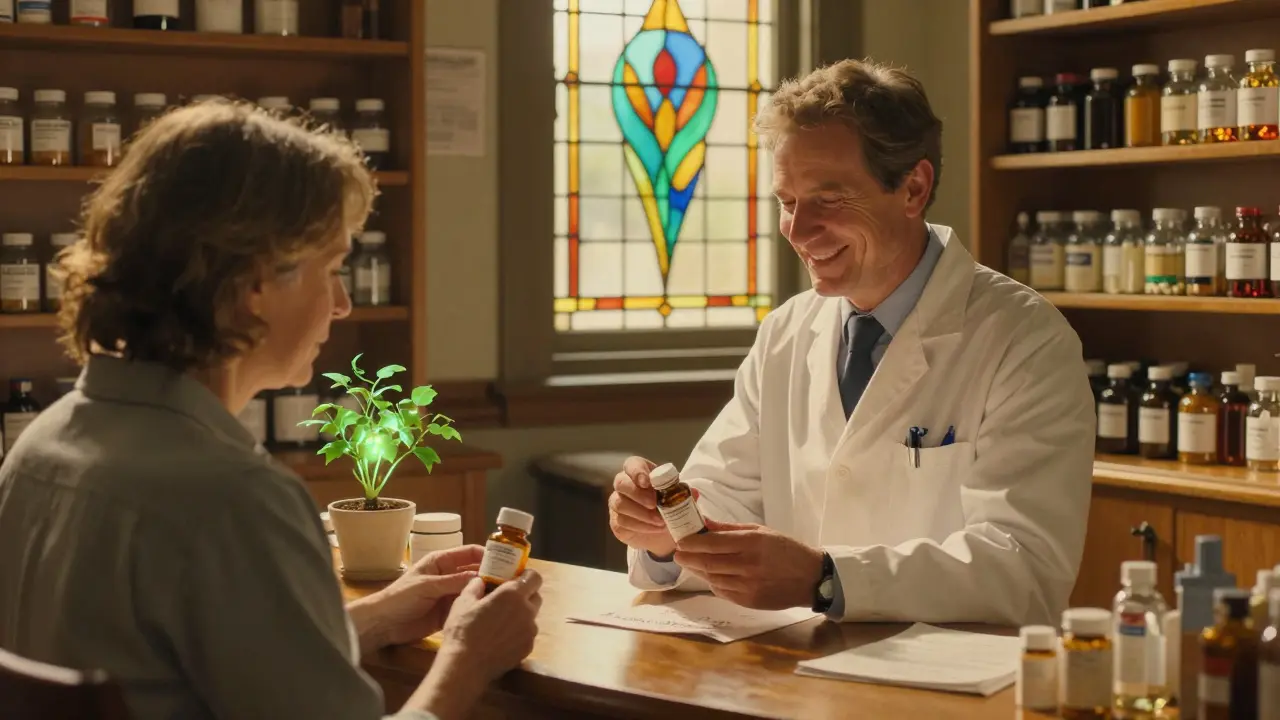
Every year, over 1.5 million people in the U.S. end up in the emergency room because of something gone wrong with their medicine. Not because the drug was bad, but because medication safety wasn’t clear. You might think, "I’m not a doctor, why should I know all this?" But here’s the truth: if you’re taking any medicine - even a daily pill or a vitamin - you’re already part of the safety chain. And the more you know, the less likely you are to get hurt.
What Are the Eight Rights of Medication Safety?
The old "Five Rights" - right patient, right drug, right dose, right route, right time - have been around since the 1950s. But today’s healthcare is more complex. That’s why experts now use the Eight Rights. These aren’t just for nurses and pharmacists. They’re tools for you, the patient, to ask the right questions and catch mistakes before they happen.
- Right patient: Make sure they check your name and date of birth - not just your first name. Hospitals and clinics are required to use two identifiers. If they don’t, ask.
- Right medication: Know the generic and brand name. For example, if you’re given "Lipitor," ask if it’s atorvastatin. Similar-sounding names like "Hydroxyzine" and "Hydralazine" cause 23% of errors.
- Right dose: Does it match what your doctor wrote? If you’re given a liquid, know how many milliliters you’re supposed to take. Pediatric doses are especially easy to mess up - 15% of kids’ errors come from wrong amounts.
- Right route: Is it meant to be swallowed, injected, or applied to the skin? Giving a shot meant for your vein by mouth can be deadly. Twelve percent of serious errors happen because of this.
- Right time: Are you taking it with food? At night? Every 8 hours? Use your phone to set reminders. Patients who track timing see a 42% improvement in taking meds correctly.
- Right reason: Why are you taking this? Not just "for blood pressure," but "to lower your risk of stroke." If you can’t explain it, ask again. Studies show patients who understand the reason are 28% less likely to get the wrong medicine.
- Right documentation: Did the nurse write down that they gave you the pill? It sounds boring, but if it’s not recorded, no one knows you took it - and you might get a double dose.
- Right response: Are you feeling better? Or worse? Track side effects. Did your dizziness start after the new pill? That’s not normal. Patients who monitor their response cut serious reactions by 35%.
What Is an Adverse Drug Event (ADE)?
An adverse drug event (ADE) means your medicine hurt you. It’s not just an allergic reaction. It includes taking too much, taking the wrong one, or even a side effect that gets worse because of another drug. The CDC says ADEs are preventable - meaning they shouldn’t happen if things are done right.
Think of it this way: if you take a painkiller and get a stomach bleed, that’s an ADE. If you take insulin and your blood sugar crashes because you didn’t eat, that’s an ADE. If you get the wrong antibiotic because the label was misread - that’s an ADE too.
And here’s the scary part: ADEs are rising. More people are on multiple meds. More older adults. More new drugs. The CDC says we’re seeing more of these events every year - but the good news? You can stop most of them.
High-Alert Medications: The Ones That Can Kill You If You Mess Up
Not all medicines are equal. Some are called high-alert medications because even a small mistake can lead to death. These aren’t rare. They’re common.
Examples:
- Insulin (for diabetes)
- Blood thinners like warfarin or apixaban
- Opioids like oxycodone or fentanyl
- IV potassium chloride
- Chemotherapy drugs
According to ISMP, these drugs cause 67% of fatal medication errors. That’s not because they’re dangerous by nature - it’s because they’re powerful. A tiny bit too much insulin can send you into a coma. A wrong dose of a blood thinner can cause internal bleeding.
If you’re on one of these, don’t just trust the pharmacy. Double-check the name, the dose, and the reason with your doctor or pharmacist. Ask: "Is this the safest way to give me this?" And if you’re unsure - ask again.
What’s a Close Call? And Why It Matters
A close call is when something almost went wrong - but didn’t. Maybe the nurse caught the wrong dose before giving it. Maybe you noticed the pill looked different and asked about it. That’s not luck. That’s safety in action.
The VA Patient Safety Glossary defines it as "an event or situation that could have resulted in an accident, injury or illness, but did not." These moments are golden. They tell you what’s working - and what’s not.
Too many people think, "Well, nothing happened, so it’s fine." But if you let close calls slide, the next one might not be so lucky. If you catch a mistake - even a small one - speak up. Tell your provider. It helps them fix the system so no one else gets hurt.
Sentinel Events: When a Medication Error Leads to Death
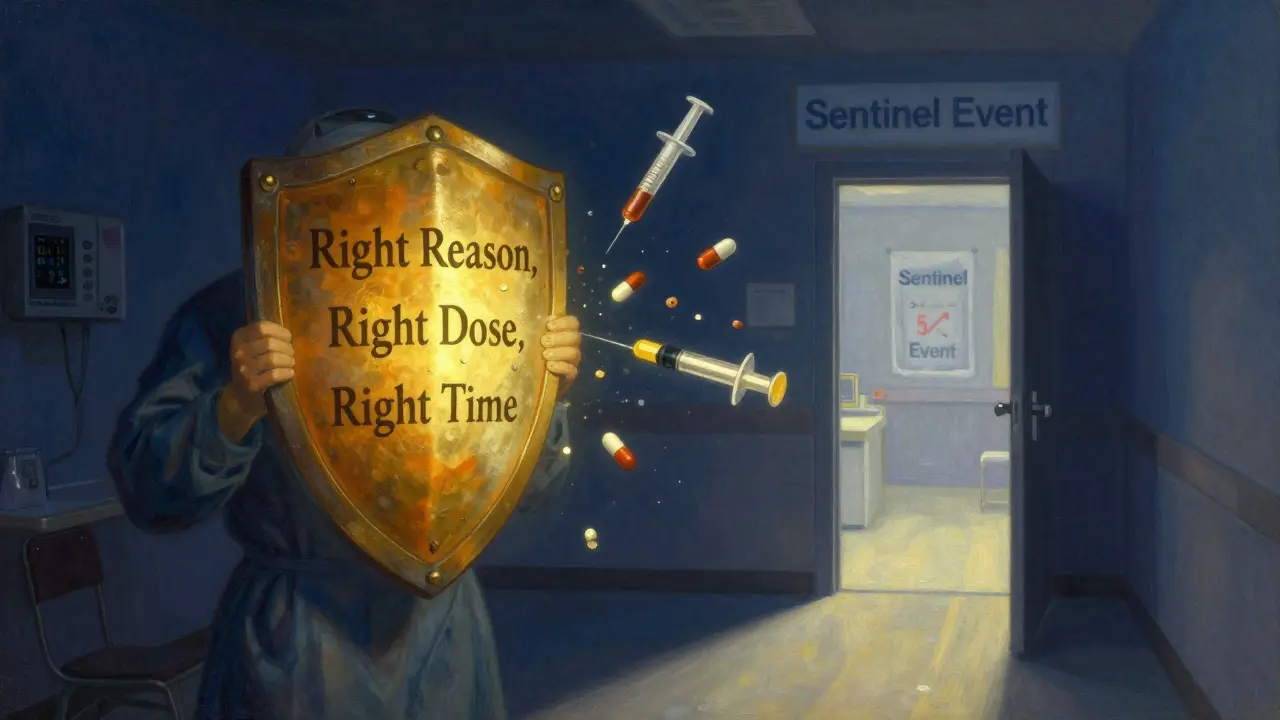
The Joint Commission - the group that certifies hospitals - calls a medication error that causes death a "sentinel event." That’s their highest alert level. It means something broke badly, and the hospital has to investigate and fix it.
It’s not just about blame. It’s about learning. If someone dies from a mix-up with their heart medication, the hospital must report it, find out why, and change their process. But here’s the thing: you don’t have to wait for a tragedy to happen.
Knowing what a sentinel event is helps you understand how serious medication safety is. It’s not just "be careful." It’s about systems that are designed to protect you - and you have the right to demand they work.
How to Use These Terms in Real Life
Knowing these terms is useless unless you use them. Here’s how to turn knowledge into action:
- Before you take any new medicine: Ask, "What’s the right reason I’m taking this?" Write it down. If you can’t explain it to someone else, you don’t understand it yet.
- When you pick up a prescription: Compare the bottle to the prescription slip. Is the name, dose, and instructions the same? If not, ask the pharmacist to double-check.
- At every doctor’s visit: Bring a list of everything you take - pills, vitamins, supplements, even herbal teas. Don’t assume they know.
- Use a pill organizer or app: Apps like Medisafe (used by over 8 million people) remind you when to take meds and check the Eight Rights before each dose.
- Track side effects: Keep a simple log: "Day 3: Took blood pressure pill, felt dizzy after 2 hours." This helps your doctor spot problems fast.
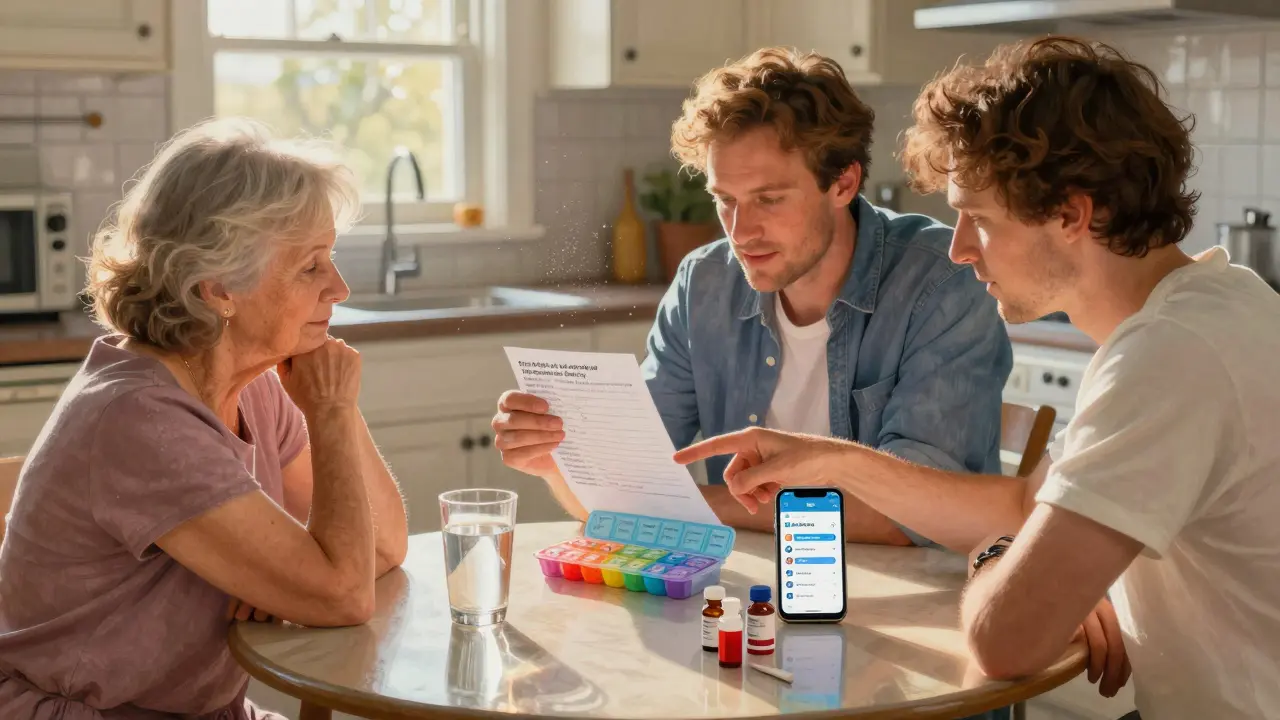
And if you’re helping someone else - a parent, an elderly relative - don’t assume they know these terms. Explain them simply. Use pictures. Say it out loud. It could save their life.
Why This Matters More Than Ever
In 2024, hospitals across the U.S. are required to teach patients the Eight Rights before they leave. That’s because data shows it works. Between 2018 and 2023, patient use of these terms went up 22%. In that same time, preventable adverse drug events dropped 17%.
And it’s not just about hospitals. Your doctor’s office, your pharmacy, your telehealth visit - all of them should be using these terms now. The FDA and CDC’s 2024 National Action Plan aims for 90% of patients to know at least five of these terms by 2030. Right now, only 43% do.
This isn’t about being perfect. It’s about being aware. You don’t need to memorize every detail. But if you can say, "I’m on a high-alert medication, and I check the right reason every time," you’re already ahead of most people.
What If You Don’t Understand?
Only 12% of U.S. adults have high health literacy - meaning they can easily understand medical instructions. That’s not your fault. Medicine is complicated. But you don’t have to figure it out alone.
Ask for help. Say: "I’m not sure I understand. Can you explain this in simpler terms?" Or: "Can you show me on this picture?" Many clinics now offer multilingual safety materials in 15 languages. If you’re not comfortable with English, ask for an interpreter - it’s your right.
And if you’re still unsure? Take a photo of the pill bottle. Show it to someone you trust. Call your pharmacy. Don’t guess. Mistakes happen when people are too shy to ask.
What’s the difference between a side effect and an adverse drug event?
A side effect is a known, expected reaction to a medicine - like drowsiness from allergy pills. An adverse drug event (ADE) is when something unexpected or harmful happens because of the medicine - like a dangerous drop in blood pressure, a severe rash, or internal bleeding. All ADEs involve harm. Not all side effects do.
Do I really need to know the generic name of my medicine?
Yes. Brand names change. Generic names don’t. If your doctor prescribes "Lipitor," the generic is atorvastatin. If you’re given a different brand or generic, you need to know it’s the same thing. Mixing them up can lead to overdosing or missing doses. Plus, 23% of medication errors happen because of confusing brand and generic names.
What should I do if I think I was given the wrong medicine?
Don’t take it. Don’t guess. Call your pharmacy or doctor immediately. Show them the bottle and your prescription. Ask: "Is this the right drug, dose, and reason for me?" If you’re in a hospital, tell the nurse right away. It’s better to be safe than sorry - even if you’re embarrassed. Thousands of errors are caught because someone asked.
Can I trust my pharmacist to catch all the mistakes?
Pharmacists are trained to catch errors - and they do, often. But they’re not mind readers. If you don’t tell them you’re on 8 other meds, they won’t know about possible interactions. If you don’t ask if the pill looks different, they might not realize the label changed. You’re the last line of defense. Always double-check.
Why is the "right reason" so important?
The "right reason" stops you from taking a medicine you don’t need - or worse, taking the wrong one. A 2018 study found that patients who could explain why they were on a drug were 28% less likely to get the wrong prescription. For example, if you’re given a blood thinner but your doctor meant to prescribe a cholesterol pill, knowing the reason helps you spot the mistake.
Are there apps that help me use these safety terms?
Yes. Apps like Medisafe, MyTherapy, and Apple Health now include built-in checks for the Eight Rights. Before each reminder, they ask: "Is this the right drug? Right dose? Right reason?" They even let you log side effects and share reports with your doctor. Over 8.7 million people use them - and they’re free.
What’s Next?
Start small. Pick one term - maybe "right reason" - and use it at your next appointment. Write it down. Say it out loud. Then try another next time. You don’t need to know them all at once. But every time you ask, you’re not just protecting yourself. You’re helping the whole system get better.
Medication safety isn’t about fear. It’s about power. The more you know, the less power the system has to hurt you. And that’s something no doctor, nurse, or pharmacist can take away.

Mel MJPS
January 27, 2026 AT 13:54I used to just swallow pills without a second thought until my grandma almost got a double dose of warfarin. Now I check the name, dose, and reason every time. It’s not scary-it’s just part of taking care of myself. I even have a sticky note on my pillbox that says "Right reason?" 😊
Kathy Scaman
January 27, 2026 AT 16:18My pharmacist caught a mix-up between hydroxyzine and hydralazine last month. I didn’t even notice they looked similar. Now I always ask for the generic name. Small thing, huge difference.
Anna Lou Chen
January 27, 2026 AT 22:19Let’s be real-this whole "Eight Rights" framework is just capitalism’s way of offloading medical responsibility onto the most vulnerable. You’re telling me a 72-year-old on four meds, with no internet access and a 5th-grade reading level, is supposed to be a pharmacokinetic auditor? The system is broken. The patient isn’t. The real adverse drug event is the erosion of trust in institutions that pretend to care while charging $400 for a pill that should cost $2.
And don’t get me started on "high-alert meds"-that’s just corporate-speak for "we know this kills people but we’re still selling it because shareholders demand quarterly growth."
Mindee Coulter
January 28, 2026 AT 22:43I started using Medisafe after my dad had a bad reaction to a new blood pressure med. Now I log everything and it reminds me to check the right reason every time. Best thing I’ve done for my health. No punctuation needed. Just results.
Also, if you’re on insulin or chemo-don’t skip the double check. I’ve seen what happens when you do.
Rhiannon Bosse
January 30, 2026 AT 07:41Oh wow, the government finally figured out patients might be able to read? Took them 70 years. Meanwhile, my cousin died because the hospital gave her a chemo dose meant for someone else and no one caught it because "the system didn’t flag it."
And now they want us to be their safety net? Cool. I’ll keep checking my meds while you keep ignoring the fact that pharmacies are understaffed and nurses are working 16-hour shifts. This isn’t empowerment-it’s negligence dressed up as a checklist.
Also, why is no one talking about how drug companies design names to be confusing? Lipitor vs. Lopressor? That’s not an accident. That’s predatory.
And yes, I’m mad. You should be too.
Mark Alan
January 30, 2026 AT 13:22USA STILL THE BEST WHEN IT COMES TO MED SAFETY 🇺🇸💪
Other countries? They don’t even have pill organizers. We’re leading the world. If you’re not using the Eight Rights, you’re not爱国. 🇺🇸💊
Amber Daugs
January 30, 2026 AT 23:39If you’re not checking the right reason every single time, you’re not just irresponsible-you’re selfish. People die because others won’t take 30 seconds to ask a question. My neighbor took the wrong pill and ended up in the ICU. She didn’t ask. She assumed. And now she’s on disability. Don’t be her.
Also, if you’re taking vitamins with your prescriptions, you’re asking for trouble. Stop it.
Robert Cardoso
February 1, 2026 AT 23:28The Eight Rights are a nice heuristic, but they’re not a solution-they’re a symptom. The real problem is fragmented electronic health records, lack of standardized nomenclature, and the absence of a unified patient medication ontology across provider systems.
Also, the CDC’s 17% reduction in ADEs is statistically insignificant when you control for population growth and polypharmacy trends. The real win would be reducing polypharmacy by 30% through deprescribing protocols, not asking patients to become pharmacists.
And don’t get me started on Medisafe. It’s a black box app that doesn’t integrate with EHRs. It’s a placebo for safety.
James Dwyer
February 3, 2026 AT 05:20I used to think this stuff was overkill. Then my mom had a close call with her insulin dose. Now I remind her to check the right reason every time. It’s not about being perfect-it’s about being present. You don’t have to know everything. Just ask one question. It matters.
Keep going. You’re doing better than you think.
jonathan soba
February 5, 2026 AT 04:32It’s amusing how this article frames patient vigilance as a solution rather than a bandage on a systemic collapse. The fact that we’ve normalized patient labor as a prerequisite for safety is not empowerment-it’s institutional failure masquerading as civic duty.
And yet, here we are. The burden of preventing death is now on the shoulders of the elderly, the disabled, and the linguistically marginalized. Brilliant.
Meanwhile, the pharmaceutical industry’s lobbying budget increases by 12% annually. Coincidence? I think not.
matthew martin
February 7, 2026 AT 03:30Here’s the thing-knowing the Eight Rights is like having a flashlight in a dark hallway. You don’t need to know every step, just enough to see the next one.
I teach this to my elderly neighbors. We don’t use big words. We use pictures. We use sticky notes. We use "Hey, does this pill look like last week’s?"
And guess what? It works. People live longer. They feel safer. They stop being afraid.
Medicine doesn’t have to be scary. It just needs someone to care enough to ask.
Also, if you’re on a high-alert med? Get a second opinion. Not because you don’t trust your doctor-but because you love yourself too much to roll the dice.