Post-Marketing Surveillance: What Happens After a Drug Hits the Market
When a new drug gets approved, the job isn’t done—that’s when post-marketing surveillance, the ongoing monitoring of drug safety in real-world use after regulatory approval. Also known as pharmacovigilance, it’s the system that catches problems clinical trials never saw. Clinical trials involve a few thousand people over months. Real life? Millions take the drug for years, with other meds, different health conditions, and genetic differences. That’s where hidden risks show up.
That’s why adverse effects, unwanted side effects that occur after a drug is widely used don’t always show up until years later. A rare liver problem. A heart rhythm issue in older patients. A dangerous interaction with a common supplement. These aren’t failures—they’re exactly what post-marketing surveillance is built to find. The FDA monitoring, the U.S. government system that collects and analyzes reports of drug-related harm relies on doctors, pharmacists, and even patients to report anything unusual. Reports go into massive databases like FAERS, where patterns are spotted. One case? Just noise. Ten thousand cases with the same symptom? That’s a red flag.
It’s not just about catching harm—it’s about understanding how drugs behave outside controlled studies. Did a blood thinner cause more bleeding in people with kidney disease? Did a diabetes drug lead to unexpected weight gain in older adults? These aren’t theoretical questions. They’re the reason some drugs get new warnings, dose limits, or even pulled from the market. And it’s why generics aren’t just cheaper—they’re monitored just as closely. A generic version of a drug might be used by ten times more people than the brand, so its safety data matters just as much.
You might think safety ends at the pharmacy counter. It doesn’t. Post-marketing surveillance is the quiet, relentless system that keeps watching. It’s why your doctor asks if you’ve had any new symptoms since starting a drug. It’s why some medications come with black box warnings. And it’s why you can trust that even if a drug slipped through initial testing, there’s a system built to catch it before it hurts more people.
Below, you’ll find real-world examples of how drug safety plays out—from hidden side effects in common meds to how patients spot problems first and how regulators act. These aren’t abstract theories. They’re stories of pills, symptoms, reports, and responses that shaped how medicines are used today.
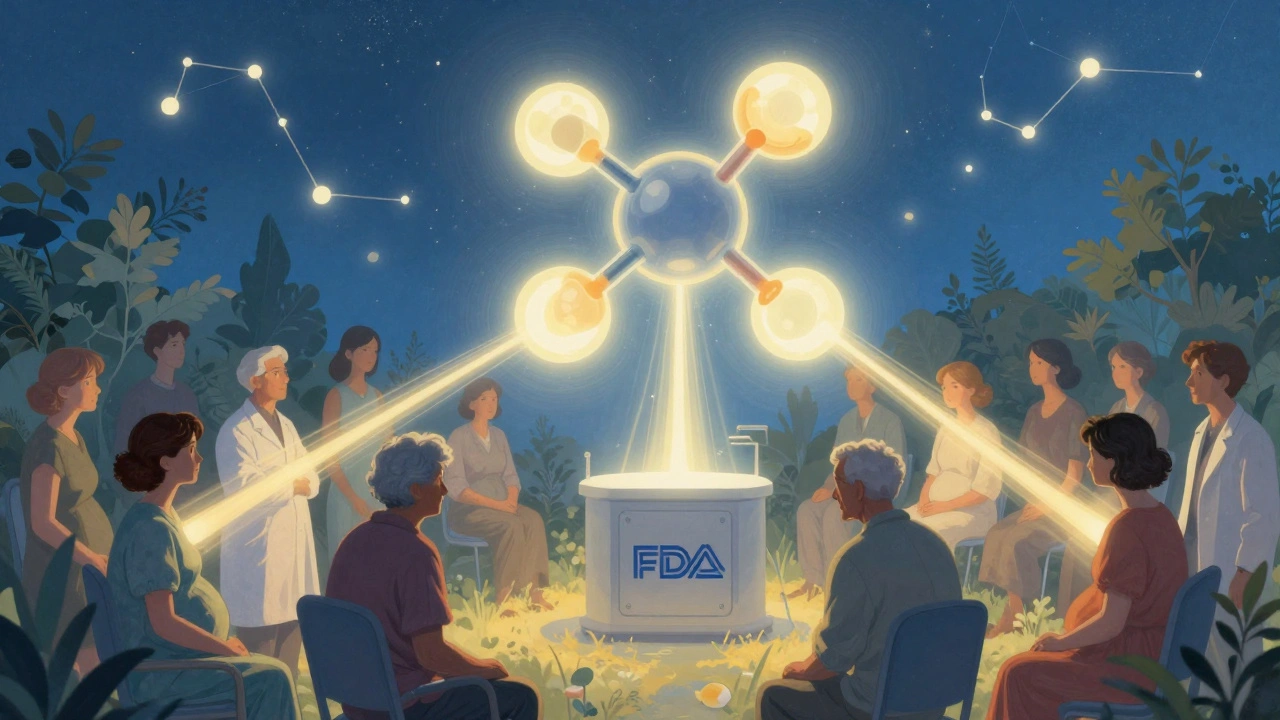
How to Track Post-Marketing Studies for Drug Safety
Learn how post-marketing surveillance tracks drug safety after approval using FAERS, Sentinel, and real-world data. Understand why delays happen, how signals are detected, and what actions regulators take to protect patients.