Low-GI Foods: What They Are and How They Help Manage Blood Sugar
When you eat low-GI foods, foods with a low glycemic index that cause a slow, steady rise in blood sugar. Also known as low-glycemic foods, they help your body avoid sharp insulin spikes, making them essential for managing diabetes, reducing hunger, and supporting weight control. Unlike white bread or sugary snacks that send glucose soaring, low-GI foods like lentils, oats, and non-starchy vegetables release energy gradually—keeping you fuller longer and reducing the strain on your pancreas.
This isn’t just about sugar. The glycemic index, a scale that ranks how quickly carbs raise blood sugar ties directly to how your body handles medications like insulin or metformin. If your blood sugar swings wildly, even the best drug can struggle to keep up. That’s why doctors often recommend low-GI eating alongside treatment for gestational diabetes, prediabetes, or metabolic syndrome. It’s not a diet trend—it’s a biological reality. Studies show people who stick with low-GI meals have better HbA1c levels over time, even without drastic weight loss.
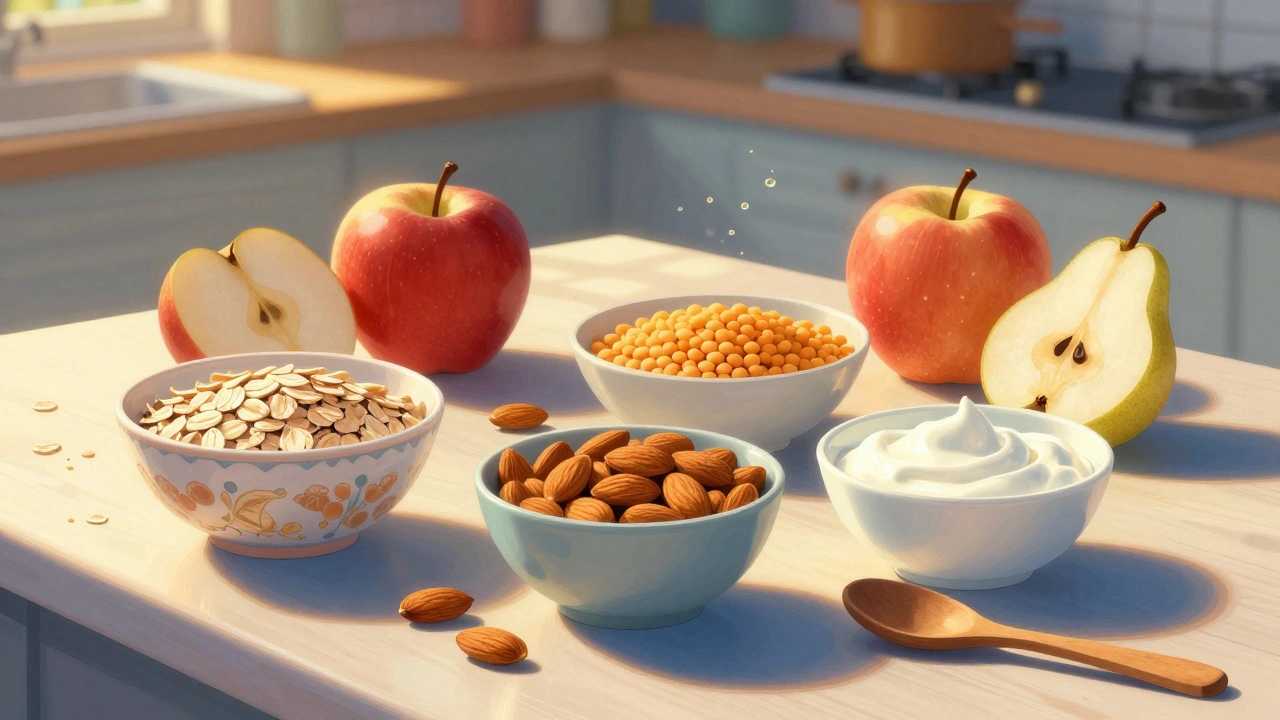
What counts as low-GI? It’s not always obvious. Sweet potatoes are lower than white rice. Greek yogurt beats flavored yogurt. Whole apples beat apple juice. Even cooking matters—al dente pasta has a lower GI than soft pasta. And fiber? It’s your best friend. Beans, nuts, seeds, and leafy greens all slow digestion, which means less insulin demand. This connects directly to posts about gestational diabetes, a condition where diet plays a critical role in managing blood sugar during pregnancy, and how GLP-1 agonists, medications like Ozempic that mimic natural hormones to slow digestion and reduce appetite work better when paired with the right foods. You don’t need to count carbs perfectly, but knowing which foods give you steady energy helps you get more out of your treatment plan.
Some people think low-GI means no carbs—but that’s wrong. It’s about smart carbs. Brown rice over white. Barley over instant oatmeal. Lentils over mashed potatoes. And it’s not just for diabetics. Anyone dealing with fatigue, brain fog, or constant hunger can benefit. The science is clear: stable blood sugar means stable energy, better mood, and fewer cravings. That’s why these foods show up in posts about medication safety, drug interactions, and even weight loss drugs—they’re the foundation that makes everything else work better.
Below, you’ll find real, practical posts that connect low-GI eating to medication use, chronic conditions, and daily health choices. Whether you’re managing diabetes, trying to lose weight, or just tired of energy crashes, these articles give you the facts—not fluff.
Low-GI Diet for Weight Control: What Actually Works
A low-GI diet helps control blood sugar and reduce hunger, making it easier to manage weight without strict calorie counting. It's not a magic solution, but it works well for long-term health and diabetes prevention.