Hatch-Waxman Act: How Generic Drugs Get Approved and Why It Matters
When you pick up a generic version of your favorite medicine and pay a fraction of the brand-name price, you’re seeing the result of the Hatch-Waxman Act, a 1984 U.S. law that created a legal pathway for generic drugs to enter the market without repeating costly clinical trials. Also known as the Drug Price Competition and Patent Term Restoration Act, it’s the reason you can buy generic lisinopril for $4 instead of $200. Before this law, brand-name drugmakers held a monopoly—generic versions couldn’t be approved unless they went through the same full clinical trials as the original, which made them too expensive to produce.
The Hatch-Waxman Act fixed that by letting generic companies file an ANDA, an Abbreviated New Drug Application that proves the generic is bioequivalent to the brand drug. This means the generic works the same way in your body—same active ingredient, same dose, same effect—but without repeating animal or human trials. In return, the law gave brand-name companies a limited extension on their patents, up to five years, to make up for time lost during FDA review. It was a trade: faster access to cheap generics in exchange for protecting innovation. This balance is why you see so many generic versions of drugs like metformin, atorvastatin, and omeprazole today. Without Hatch-Waxman, most of these drugs would still cost hundreds of dollars a month.
But the law didn’t just change pricing—it reshaped the entire pharmaceutical industry. It created a race to be first to file an ANDA, because the first generic company to challenge a patent gets 180 days of exclusive marketing rights. That’s why you often see multiple generic versions hit the market at once after a patent expires. It also led to legal battles over patent extensions, patent evergreening, and whether a drug’s formulation truly deserves protection. These fights still happen today, and they directly affect when and if you get access to a low-cost version of your medication.
The Hatch-Waxman Act also indirectly influenced how the FDA handles drug reviews. The law pushed the agency to create faster review systems, which later evolved into GDUFA—the Generic Drug User Fee Act. Today, the FDA aims to review generic applications in under ten months. That speed wouldn’t exist without Hatch-Waxman’s original push for efficiency.
What you’ll find in these articles isn’t just scattered facts—it’s a collection of real-world impacts from this law. You’ll see how generic approval timelines work, how pharmacokinetic studies prove bioequivalence, and how patent challenges delay or speed up access to cheaper meds. You’ll also see how this law connects to today’s issues: why some drugs still have no generics, how companies use loopholes to block competition, and why your insurance plan prefers generics. This isn’t just history—it’s the system that determines what you pay for your pills next month.
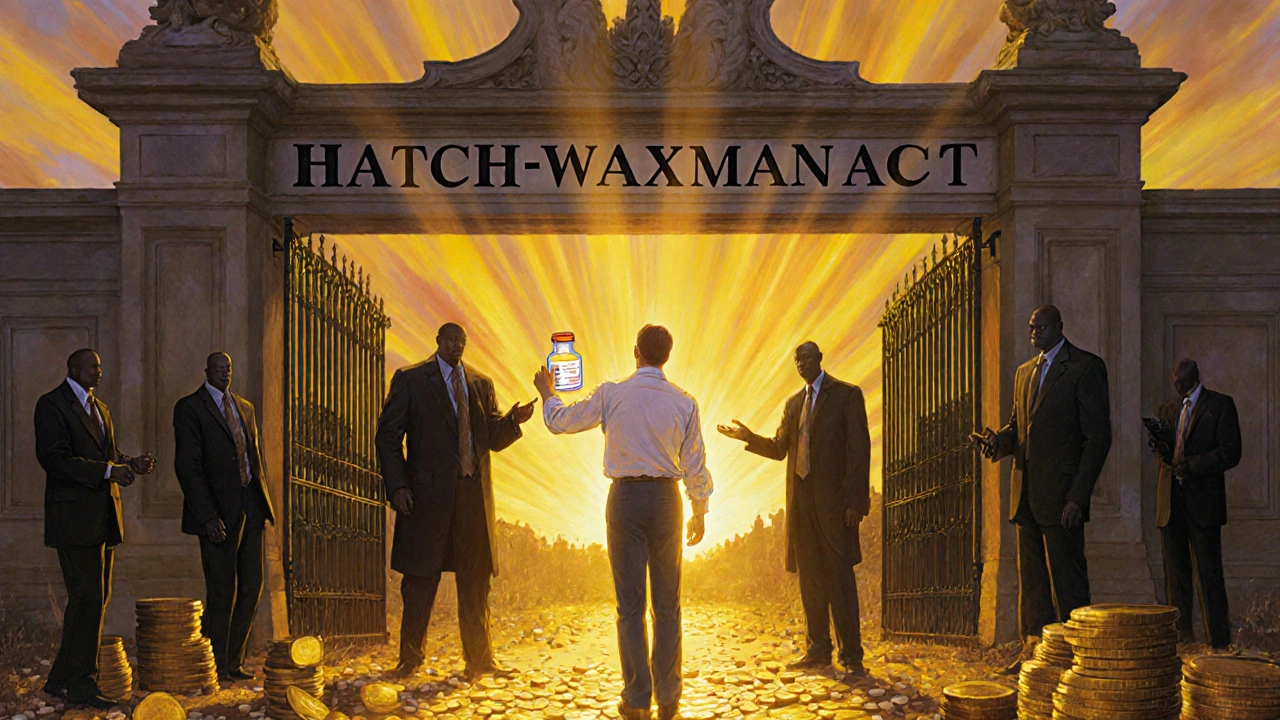
Antitrust Laws and Competition Issues in Generic Pharmaceutical Markets
Antitrust laws in the generic drug market aim to stop big pharma from blocking cheaper alternatives through pay-for-delay deals, patent manipulation, and product hopping. These tactics raise prices and hurt patients - but enforcement is evolving globally.
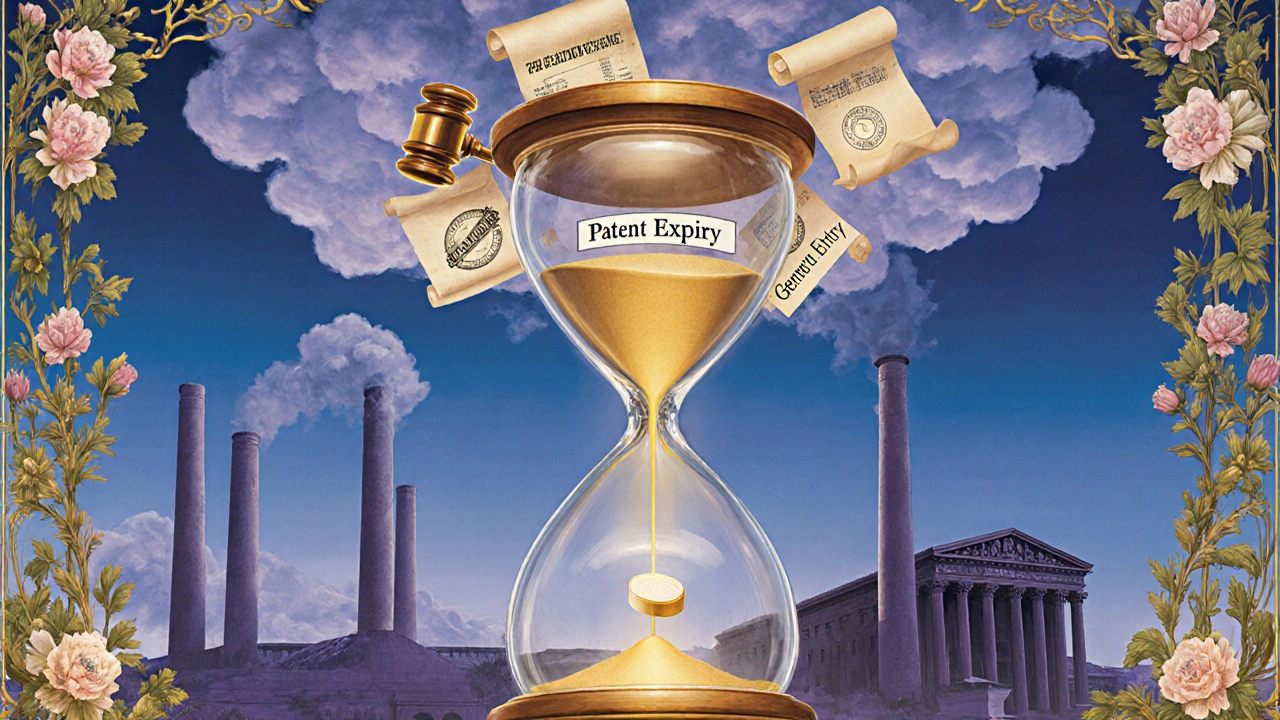
Predicting Generic Entry: How to Forecast When Your Drug Will Face Generic Competition
Learn how to predict when generic drugs will enter the market after patent expiration, including the hidden legal, regulatory, and strategic factors that delay or accelerate competition-and how to use real data to forecast it accurately.