FAERS: Understanding Drug Safety Reports and How They Protect You
When you take a new medication, you trust it’s safe—but safety isn’t just decided in a lab. It’s tracked in real time by FAERS, the FDA’s Adverse Event Reporting System that collects reports of harmful side effects from patients, doctors, and drug makers. Also known as the FDA Adverse Event Reporting System, FAERS is the backbone of drug safety monitoring in the U.S., catching problems that clinical trials often miss because they involve smaller, healthier groups. Every year, hundreds of thousands of reports pour in—from mild rashes to life-threatening reactions—and each one helps the FDA decide if a drug needs stronger warnings, dosage limits, or even removal from the market.
FAERS doesn’t prove a drug causes a side effect, but it flags patterns. For example, if dozens of people report sudden liver failure after taking a new painkiller, that’s a red flag. The system ties together reports by drug name, reaction type, patient age, and other details. It’s how we learned about the heart risks with certain ADHD meds, the kidney damage from some antibiotics, and the rare but serious blood clots linked to specific birth control pills. Adverse events, unwanted or harmful reactions to medications that are reported to FAERS are the raw data behind these discoveries. Pharmacovigilance, the science of detecting, assessing, and preventing drug-related harm relies on FAERS to stay ahead of hidden dangers. Without it, dangerous side effects could go unnoticed for years.
What you’ll find in this collection are real stories and breakdowns of how FAERS data shapes what you know—and what you should ask your doctor. From how generic drugs are monitored for new side effects after launch, to why some medications stay on the market despite warning signs, these posts show you how safety reports translate into real-world decisions. You’ll see how drug makers respond to FAERS alerts, how patients use this data to advocate for themselves, and why even small changes in dosage or timing can trigger unexpected reactions. This isn’t theory. It’s the system that keeps millions of people safe every day—and the more you understand it, the better you can protect yourself.
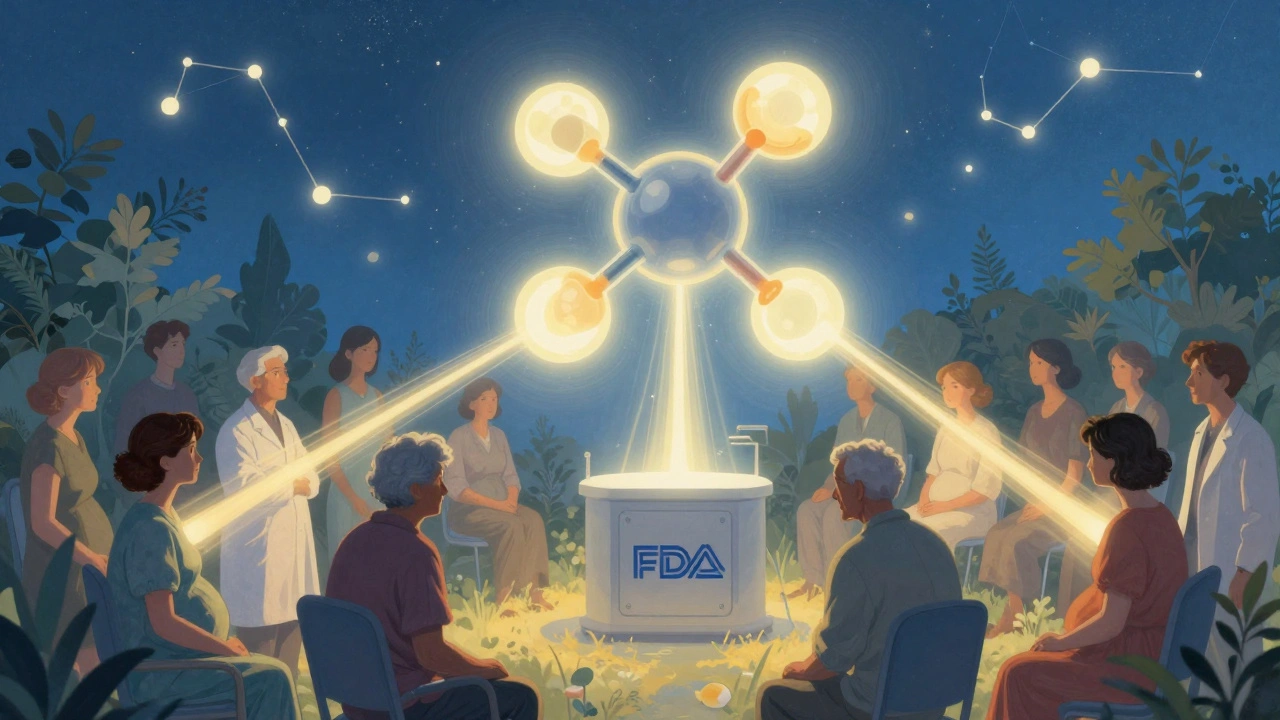
How to Track Post-Marketing Studies for Drug Safety
Learn how post-marketing surveillance tracks drug safety after approval using FAERS, Sentinel, and real-world data. Understand why delays happen, how signals are detected, and what actions regulators take to protect patients.