Generic vs Brand Drugs: What Really Matters for Your Health
When you pick up a prescription, you might see two options: the familiar brand name or a cheaper generic. But are they truly the same? Generic drugs, lower-cost versions of brand-name medications that contain the same active ingredient, dosage, and intended use. Also known as nonproprietary drugs, they must meet the same strict standards as their brand-name counterparts to be approved by the FDA. The big myth? That generics are weaker, less reliable, or somehow "second-rate." The truth? They’re not just similar—they’re required to be nearly identical in how your body absorbs and uses them.
The key is bioequivalence, the scientific standard that proves a generic drug performs the same way in the body as the brand-name version. The FDA demands that generic drugs deliver the active ingredient at a rate and amount within 80% to 125% of the brand’s performance. That’s not a guess—it’s a lab-tested, clinically proven range. Studies show the average difference in absorption between generics and brands is just 3% to 5%. For most people, that’s meaningless in real life. You won’t feel a difference. Your blood pressure won’t spike. Your cholesterol won’t suddenly go wild. The only real difference? The price—and sometimes the color or shape of the pill.
But here’s where things get messy. Not all brand-name drugs have generics, even after patents expire. Some are too complex to copy—like inhalers, injectables, or long-acting patches. Others are kept off the market by legal tricks: pay-for-delay deals where brand makers pay generics to stay away, or "product hopping" where companies slightly tweak a drug just to reset the patent clock. That’s why you might still pay $200 for a brand when a generic could cost $10. And while FDA approval, the official process that ensures drugs are safe, effective, and properly manufactured before reaching patients. is rigorous, it doesn’t stop these tactics. The system works—but it’s not perfect.
And then there’s the invisible stuff: inactive ingredients. These fillers, dyes, and binders don’t treat your condition, but they can cause reactions—especially if you’re allergic to lactose, gluten, or certain dyes. That’s why some people swear their generic gives them stomach upset, while the brand doesn’t. It’s not the active ingredient—it’s the extras. Always check the label if you’ve had reactions before.
What you’ll find below are real, no-fluff breakdowns of how generics and brands compare—from absorption rates and approval timelines to the hidden legal battles that keep prices high. You’ll see how the FDA tracks safety after approval, why some drugs never go generic, and how social media is changing what patients believe about their meds. No marketing. No hype. Just what you need to know to make smart, confident choices about your prescriptions.

When Your Doctor Might Prescribe Brand-Name Only and Why
Most prescriptions are filled with generics - cheaper and just as effective. But doctors sometimes require brand-name only for drugs where small differences matter. Learn when it’s medically necessary and when it’s just costing you more.
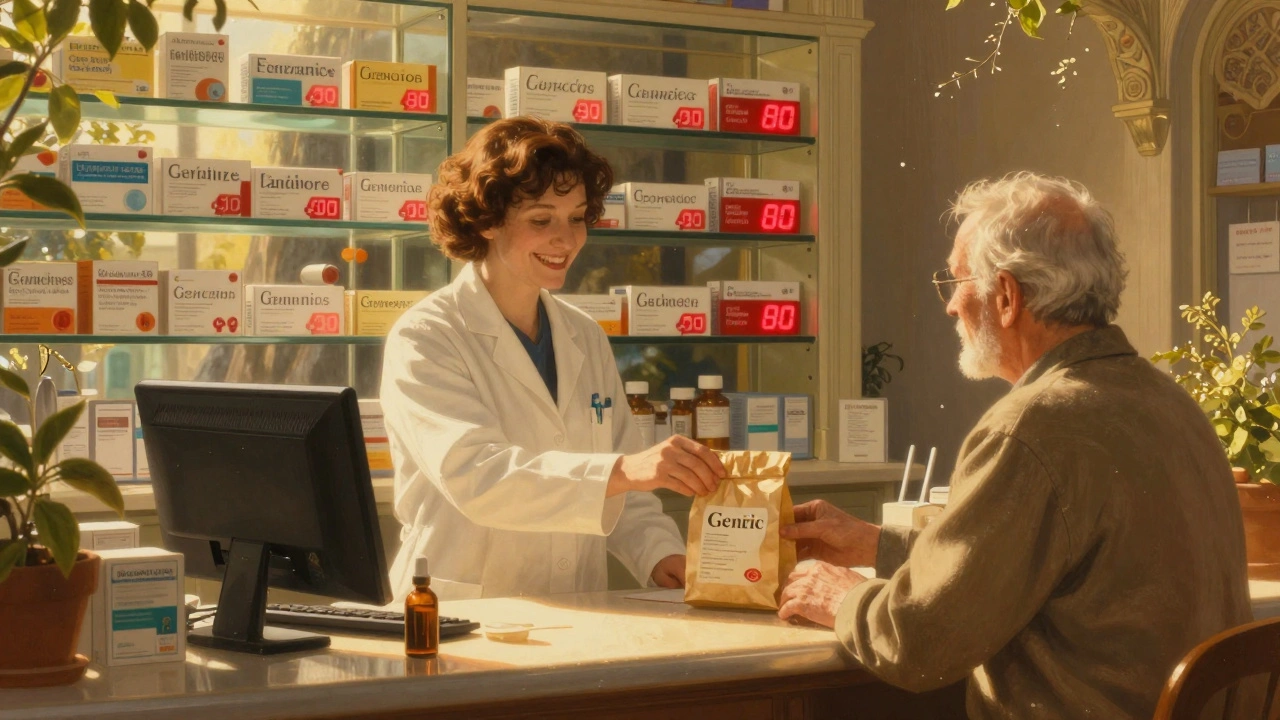
Generic Drug Savings: Real Numbers and Healthcare Statistics
Generic drugs save Americans billions each year - 90% of prescriptions are generic, but they cost only 12% of what brand-name drugs do. See real numbers, savings stats, and how to use generics to cut your prescription costs.