Transplant Side Effects: What You Need to Know About Rejection, Infections, and Long-Term Risks
When your body accepts a new organ, it’s a miracle—but it’s also a constant battle. Transplant side effects, the unintended consequences that follow organ transplantation, often stem from the very drugs meant to save your life. Also known as post-transplant complications, these effects are unavoidable for most recipients and require lifelong management. The biggest threat isn’t the surgery—it’s what happens afterward. Your immune system doesn’t know the difference between a donated kidney and a virus. So doctors give you immunosuppressants, medications that lower your body’s ability to fight off invaders. These drugs stop organ rejection, the process where your immune system attacks the transplanted tissue as if it were foreign. But they also leave you wide open to post-transplant infections, serious illnesses like CMV, fungal infections, and even common colds that can turn deadly.
There’s no one-size-fits-all list of side effects. Some people get high blood pressure from tacrolimus. Others develop kidney damage from cyclosporine. Diabetics might see their blood sugar spike after a transplant. And then there’s the long game: increased cancer risk, bone thinning, weight gain, and nerve damage. These aren’t rare. They’re expected. The goal isn’t to avoid them completely—it’s to catch them early. That’s why regular blood tests, doctor visits, and knowing your own body matter more than ever. If you’re on a transplant list or already have a new organ, you’re not just managing a condition—you’re managing a system. Every pill, every lab result, every fever could be a clue.
You’ll find real-world stories here—not theory. Posts cover how warfarin genetics affect bleeding risk after heart transplants, why alcohol clashes dangerously with immunosuppressants, and how drugs like deflazacort and indapamide show up in transplant care. You’ll learn how to spot severe bleeding from anticoagulants, why medication guides beat package inserts for urgent warnings, and how to avoid common mistakes that lead to hospital readmissions. This isn’t a list of scary possibilities. It’s a practical guide to living with the trade-offs—and knowing exactly what to watch for, when to call your doctor, and how to protect yourself without living in fear.
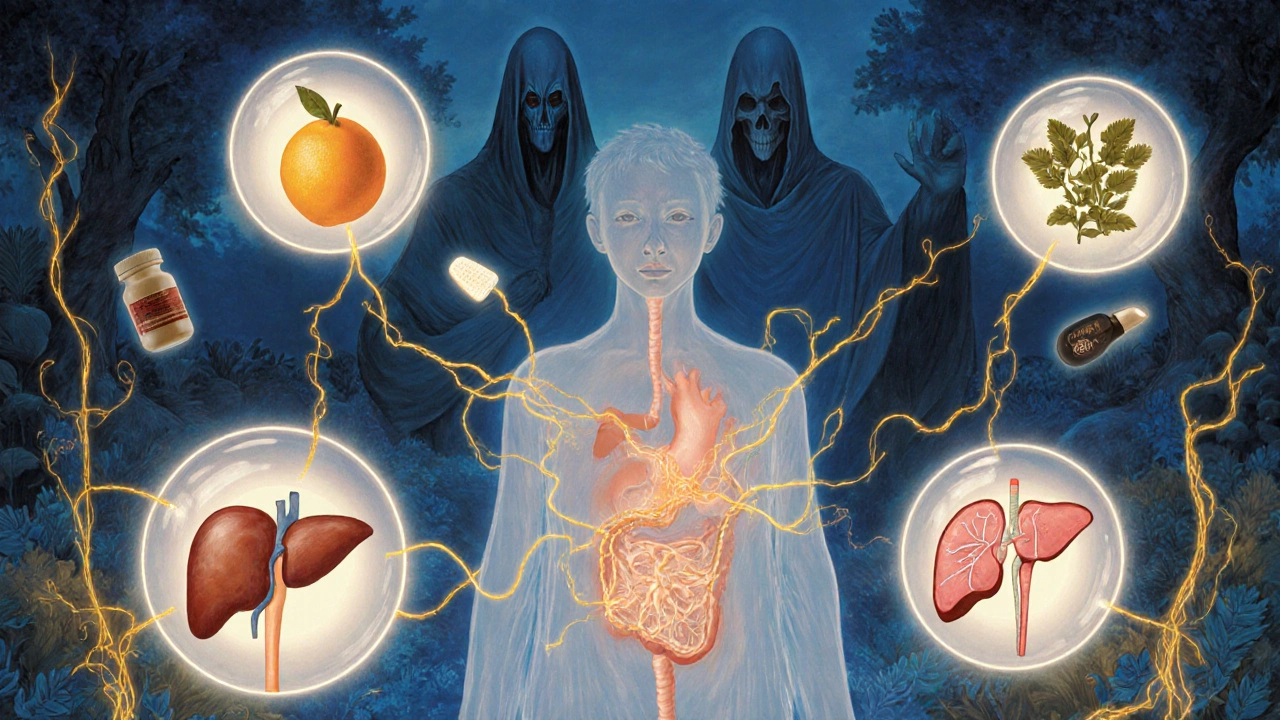
Organ Transplant Recipients: Immunosuppressant Drug Interactions and Side Effects
Transplant recipients rely on lifelong immunosuppressant drugs to prevent rejection-but these medications come with serious side effects and dangerous drug interactions. Learn how tacrolimus, mycophenolate, and steroids affect your body, what to avoid, and how to stay safe.