Antitrust Laws in Pharmaceuticals: How Market Rules Shape Drug Access and Prices
When you hear antitrust laws, rules designed to prevent companies from monopolizing markets and stifling competition. Also known as competition laws, they exist to keep markets fair—especially when billions are at stake in drug pricing. In pharma, these laws aren’t just paperwork. They’re the reason some drugs finally get cheaper after years of sky-high prices. Without them, a single company could buy up every competitor, delay generics with legal tricks, or pay rivals to keep their cheaper versions off the shelf. That’s not theory—it’s what’s happened before, and regulators are still catching up.
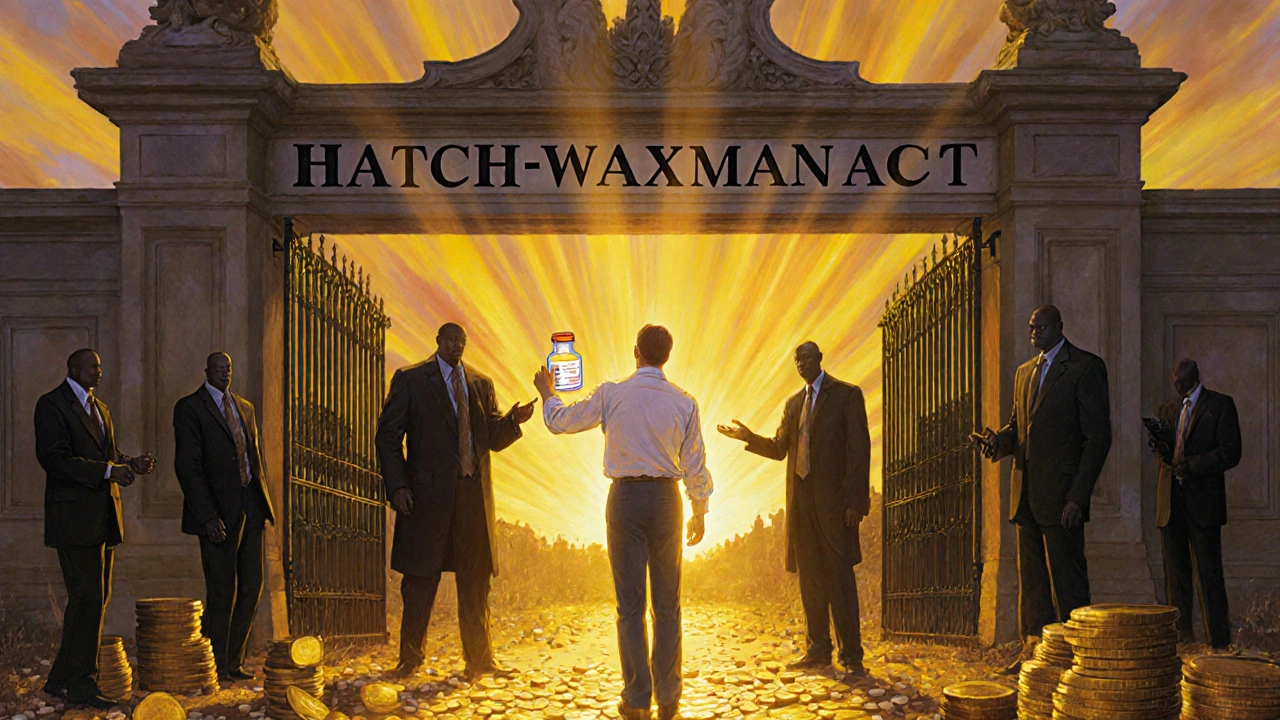
One of the biggest battlegrounds is generic competition, the entry of lower-cost versions of brand-name drugs after patents expire. The Hatch-Waxman Act, a 1984 U.S. law that balanced patent rights with faster generic approval. Also known as Drug Price Competition and Patent Term Restoration Act, it was meant to speed up generic entry. But companies found loopholes: filing dozens of frivolous patents, paying generic makers to delay launch (called "pay-for-delay"), or using FDA rules to block approval. The FDA approval, the process where the U.S. Food and Drug Administration reviews and clears new drug applications. isn’t broken—but it’s been gamed. That’s why antitrust enforcers now track ANDA applications, patent settlements, and even supply chain bottlenecks like single-source ingredient control.
And it’s not just about price. When one company controls the entire supply of a life-saving drug—like insulin or certain antibiotics—they can raise prices overnight. Antitrust investigations have looked at these cases, asking: Is this a business strategy… or market manipulation? The pharmaceutical market, a complex ecosystem of manufacturers, insurers, pharmacies, and regulators. isn’t like buying groceries. It’s full of hidden deals, regulatory delays, and patent thickets designed to keep generics out. That’s why you’ll find posts here on how generic entry gets delayed, how patent expirations are fought in court, and how companies use legal tactics to protect profits—even when patients can’t afford the meds.
What you’ll see in the articles below isn’t just a list of drug facts. It’s a map of how market power, legal loopholes, and regulatory gaps intersect. From how long FDA reviews take to why some generics never arrive, these stories show the real-world impact of antitrust enforcement—or the lack of it. If you’ve ever wondered why your prescription cost jumped overnight, or why a cheaper version never showed up, the answer often starts with antitrust laws—and who’s playing by them.
Antitrust Laws and Competition Issues in Generic Pharmaceutical Markets
Antitrust laws in the generic drug market aim to stop big pharma from blocking cheaper alternatives through pay-for-delay deals, patent manipulation, and product hopping. These tactics raise prices and hurt patients - but enforcement is evolving globally.