
Codeine Morphine Conversion Calculator
Calculate how much morphine is produced from your codeine dose based on your CYP2D6 metabolism status. This tool demonstrates why genetic variation creates dangerous overdose risks even at standard doses.
Warning: This tool demonstrates theoretical conversion rates. Never adjust medication without consulting your doctor.
In 2013, the U.S. Food and Drug Administration reported 24 deaths linked to codeine. Shockingly, 21 of those were children under 12. What made these deaths especially tragic was that they happened even when patients took the correct dose. The common cause? A genetic variation called CYP2D6 ultrarapid metabolism. This condition causes the body to convert Codeine into morphine far too quickly, leading to dangerous levels of the drug in the bloodstream. Understanding the codeine overdose risk is critical for safe pain management.
How CYP2D6 Works and Why It's Dangerous
CYP2D6 is an enzyme in the liver that processes many medications. It converts codeine into morphine-the active painkiller. Most people have one or two copies of the CYP2D6 gene, which works normally. But ultrarapid metabolizers have extra copies. This means their bodies turn codeine into morphine at up to 4.5 times the normal rate. The result? Toxic morphine levels even at standard doses.
For example, a standard 15 mg dose of codeine might produce safe morphine levels in most people. But for ultrarapid metabolizers, the same dose can create blood morphine levels 3.5 to 4.5 times higher than normal. This dramatically increases the risk of respiratory depression-where breathing slows to dangerous levels or stops completely.
FDA's Action and the Data Behind It
After reviewing 64 case reports of serious adverse events, the FDA issued a safety warning in September 2013. The warning specifically highlighted children who had undergone tonsillectomy or adenoidectomy. Of the 64 cases, 24 deaths occurred, with 21 in children under 12. The FDA added a boxed warning to all codeine products stating that 'respiratory depression and death have occurred in children who received codeine following tonsillectomy, adenoidectomy, or both, and had evidence of being CYP2D6 ultrarapid metabolizers.'
Among the 15 cases that reported blood morphine levels, 13 had levels above the therapeutic range. This confirmed that the overdose was due to excessive morphine conversion. The FDA also found that 7 out of 10 cases with known CYP2D6 status were ultrarapid metabolizers-5 of whom died.
Recognizing Codeine Overdose Symptoms
Symptoms of codeine overdose include extreme sleepiness, difficulty waking up, slow or shallow breathing, confusion, cold and clammy skin, and loss of consciousness. In severe cases, this can lead to respiratory arrest, shock, or cardiac arrest. If you notice these signs in someone taking codeine, call emergency services immediately. Time is critical-delaying treatment can be fatal.
Genetic Testing for CYP2D6 Status
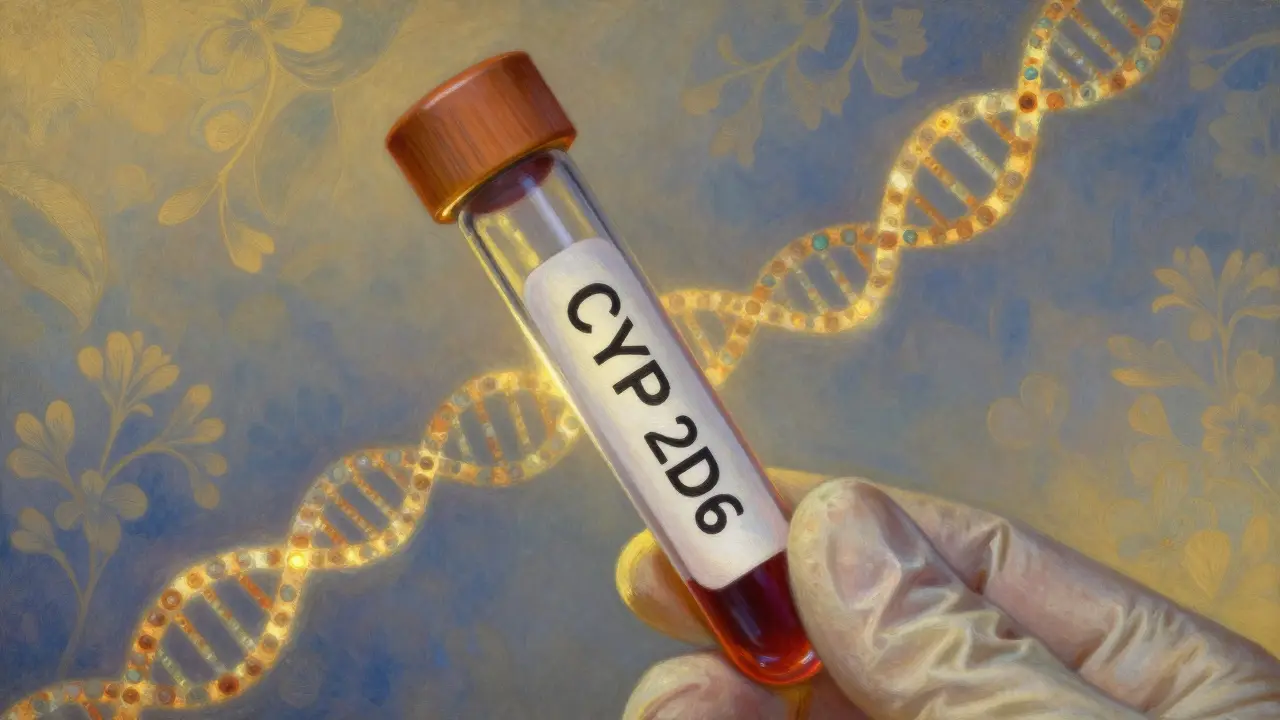
Genetic testing for CYP2D6 status is available through clinical labs. The test typically costs between $200-$500 and takes 3-14 days for results. While not routine, it's recommended for patients with a history of adverse reactions to codeine or those in high-risk ethnic groups. Insurance coverage often requires prior authorization, which can delay testing.
The Clinical Pharmacogenetics Implementation Consortium (CPIC) guidelines state that 'codeine or tramadol should not be used' for individuals with a CYP2D6 activity score greater than 2.25. This score is calculated based on the specific gene variants a person has. For ultrarapid metabolizers (activity score >2.25), the risk of severe toxicity is well-documented.
Safer Pain Management Alternatives
Doctors now recommend safer alternatives for pain relief. Non-opioid options like acetaminophen (Tylenol) or ibuprofen are first-line choices for mild to moderate pain. For stronger pain, opioids like morphine, hydromorphone, or fentanyl are safer because they don't rely on CYP2D6 for activation. Unlike codeine, these medications are already active in the body and don't need conversion.
A 2018 study in the AAO-HNSF Journal found that even alternatives like hydrocodone and oxycodone pose some risk to ultrarapid metabolizers because they partially depend on CYP2D6 metabolism. However, they're generally safer than codeine when used carefully. Always discuss your genetic status with your doctor before starting any new opioid medication.

How Ethnicity Affects Risk
The prevalence of CYP2D6 ultrarapid metabolizers varies widely by ethnicity. In Australia, about 3% of people fall into this category. In East Asian populations, rates are 1-2%. Europeans have 3-7%, while North African and Ethiopian populations can reach up to 29%. This variation means individuals from certain backgrounds face significantly higher overdose risks from standard codeine doses.
A 2023 study in Nature examined Australian patients and found that ultrarapid metabolizers were more likely to develop Codeine Use Disorder (CUD), while poor or intermediate metabolizers were protected. This highlights how genetic differences not only affect overdose risk but also addiction potential. Knowing your ethnicity's risk profile can help guide safer prescribing practices.
Current Research and Future Outlook
Researchers are working on faster genetic testing. The NIH is funding a $2.5 million study at Vanderbilt University (2021-2024) to develop point-of-care tests that can provide results in under two hours. This would allow doctors to test for CYP2D6 status during a single clinic visit.
Experts like Dr. Mary Relling of St. Jude Children's Research Hospital predict codeine may become obsolete within the next decade due to these pharmacogenetic risks. As testing becomes more accessible and affordable, personalized medicine approaches will likely replace one-size-fits-all prescribing. The FDA continues to monitor adverse events, with 9 additional case reports of respiratory depression in children associated with tramadol identified through March 2016.
What You Can Do
If you've been prescribed codeine, ask your doctor about your CYP2D6 status. Share any family history of adverse reactions to opioids. For children, ensure doctors know about any surgery they've had (like tonsillectomy) and avoid codeine for post-operative pain. Always follow your doctor's advice and never take more than the prescribed dose.
What are the symptoms of codeine overdose?
Symptoms include extreme drowsiness, difficulty waking up, slow or shallow breathing, confusion, cold and clammy skin, and loss of consciousness. If you or someone else shows these signs after taking codeine, seek emergency medical help immediately. Delaying treatment can be fatal.
Can I get tested for CYP2D6 before taking codeine?
Yes. Genetic testing for CYP2D6 is available through clinical labs. While not routine, it's recommended for patients with a history of adverse reactions to codeine or those in high-risk ethnic groups. Discuss testing options with your doctor. Insurance coverage often requires prior authorization, which may delay testing.
Are there safer painkillers than codeine for ultrarapid metabolizers?
Yes. Non-opioid options like acetaminophen or ibuprofen are safe for mild pain. For stronger pain, morphine, hydromorphone, or fentanyl are safer alternatives because they don't depend on CYP2D6 metabolism. Always consult your doctor to choose the right medication based on your genetic profile.
How common is CYP2D6 ultrarapid metabolism?
It varies by ethnicity. About 3% of Australians, 1-2% in East Asians, 3-7% in Europeans, and up to 29% in North Africans and Ethiopians. This means individuals from certain backgrounds face much higher risks from standard codeine doses. Always inform your doctor about your ethnic background when discussing medication options.
Why did the FDA ban codeine for children under 12?
After reviewing 24 deaths (21 in children under 12), the FDA determined that codeine posed an unacceptable risk due to CYP2D6 ultrarapid metabolism. The agency now requires a boxed warning on all codeine products, stating that respiratory depression and death have occurred in children who received codeine after tonsillectomy or adenoidectomy. This ban applies to all children under 12, regardless of symptoms or genetic status.

jan civil
February 5, 2026 AT 22:49Routine genetic testing for CYP2D6 before codeine prescriptions could prevent tragic overdoses. Children are especially at risk.
Kieran Griffiths
February 7, 2026 AT 19:30I've been pushing my doctor to test me before any opioid prescriptions. It's not just about codeine-other meds like tramadol have similar risks.
Joyce cuypers
February 8, 2026 AT 23:31Genetic variations like CYP2D6 ultrarapid metabolism can cause dangerous morphine levels from codeine. I'll get tested before any surgery. 🙌
lance black
February 10, 2026 AT 03:02Spread the word. Test before codeine. 💪
Matthew Morales
February 11, 2026 AT 17:49Genetic testing saves lives. 💪
Georgeana Chantie
February 13, 2026 AT 11:33Codeine is fine if you're not a weakling. 🤷♀️ The FDA is just being overly cautious. People need to toughen up.
Diana Phe
February 15, 2026 AT 11:08Banning foreign medications would prevent these tragedies. US-made drugs are safer for our children.
Cullen Bausman
February 16, 2026 AT 00:00US must act faster foreign drugs cause issues protect children no more imports
Carl Crista
February 16, 2026 AT 20:45FDA covering up environmental toxins mess with genes. Studies show this. They don't want you to know. Trust me I read all the research.
Cole Streeper
February 17, 2026 AT 10:42FDA is lying. They know codeine is safe but want to push their own drugs. All data is fake. It's a plot to control us. Wake up people!
one hamzah
February 18, 2026 AT 04:20In India, genetic testing for CYP2D6 is becoming more accessible. We need global awareness for safer pain management. 🌍💡
Lana Younis
February 20, 2026 AT 02:02I've seen this in my family. Genetic testing is crucial before taking codeine. Always check with your doc! 😊
Carol Woulfe
February 22, 2026 AT 01:47The FDA's actions are a calculated move to divert attention from the true cause of these incidents. The real problem lies in the unchecked influence of pharmaceutical conglomerates who manipulate genetic data to push their own proprietary drugs. This is a clear example of systemic corruption that requires immediate public scrutiny.